
Tree Root Intrusion: The Silent $10,000 Problem Under Your Yard
 Michael Carter
0 comments
Michael Carter
0 comments
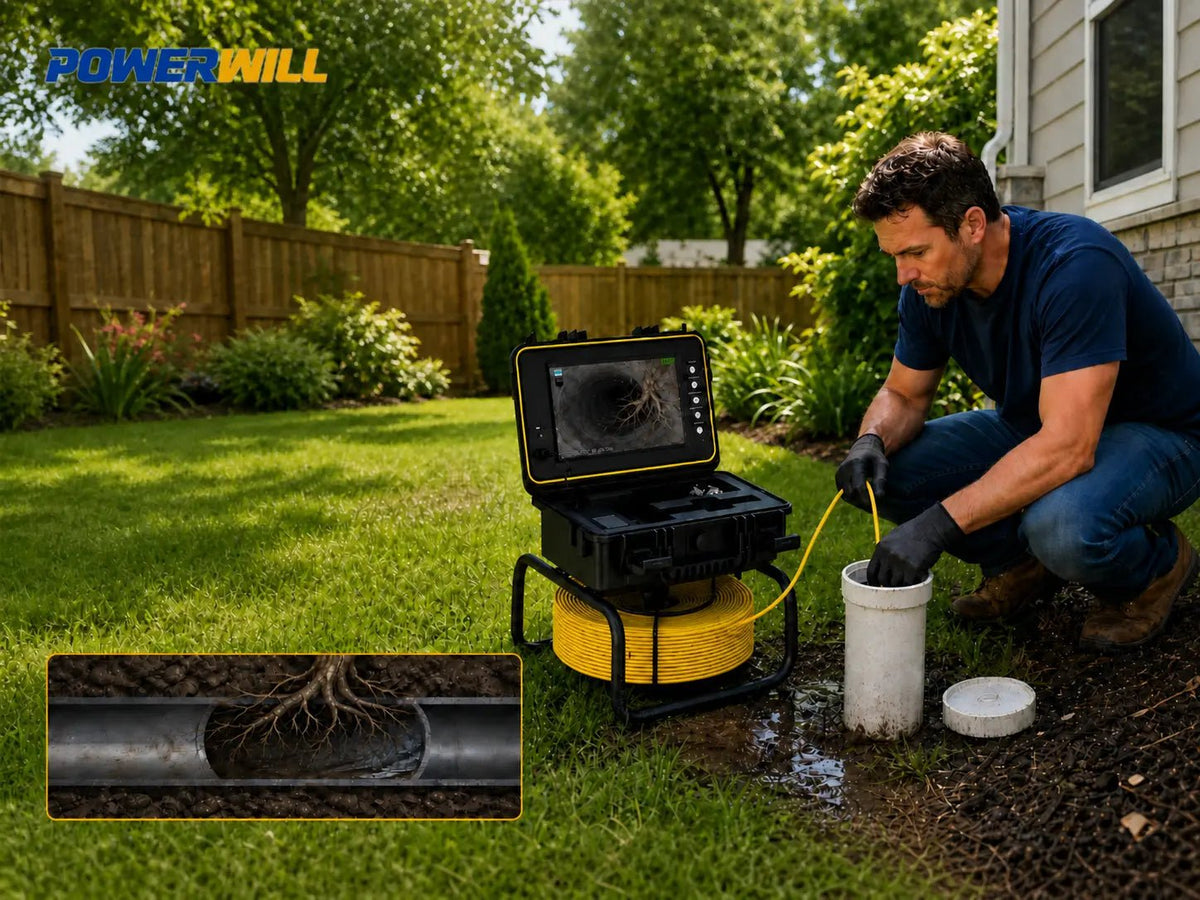

Root intrusion often starts as a hidden pipe defect, which is why a camera inspection can save far more money than another blind drain clearing.
Tree roots become a five-figure sewer problem because they start small and stay hidden. The EPA's current SSO guidance says roots can enter sewer lines through defects or openings and create blockages, while Angi's March 18, 2026 clog-repair guide says clearing a main sewer line clog often costs $187 to $572, with roots taking more labor than grease or hair. Ignore the early warning signs long enough, though, and the budget changes fast: Angi's April 5, 2026 repair guide puts average sewer line repair around $2,600, and its 2026 replacement guide says replacement can run from a few hundred dollars to $10,000 depending on material, length, and excavation. That is why tree root intrusion is such a quiet budget killer under the yard.
How Tree Roots Get Into Sewer Lines
Roots are not randomly drilling through perfect pipe walls. They are following moisture, nutrients, and oxygen toward weakness. Older clay lines, offset joints, cracked cast iron, and poorly sealed transitions are common entry points.
The EPA's sewer-overflow guidance specifically lists tree roots entering through defects or openings in sewer lines as one cause of blockages. That is the key concept homeowners should understand. Roots are often a symptom of a vulnerable pipe, not just an aggressive tree.
Once roots reach the inside of the line, the trouble compounds. Small fibers catch paper and waste. Flow slows down. Debris collects. What began as a narrow intrusion can become a recurring stoppage that gets blamed on "bad luck" until the yard, basement, or cleanout says otherwise.
↑ Back to topThe Early Signs Most Homeowners Miss
The early signs of root intrusion rarely feel dramatic. That is why homeowners keep living with them. The line may still drain, just not well. A toilet may gurgle once a month. The tub may drain slowly after laundry day. A patch of yard may stay soft longer than the rest.
Those symptoms overlap with other sewer issues, which is why diagnosis matters. If you need a broader symptom checklist, Powerwill's earlier guide on warning signs your sewer line is failing pairs well with this article.
The most expensive mistake is assuming a temporary drain clearing solved the root cause. If the same slowdowns or backups return after a short period, the pipe is asking for a look, not another blind guess.
The Real Cost Ladder From Minor Rooting to Major Replacement
Root intrusion gets expensive because the cost escalates in layers. The first bill may be relatively manageable. The later bills are where the title of this article starts making sense.
| Stage | Typical action | Current cost signals |
|---|---|---|
| Early suspicion | Camera inspection and diagnosis | Angi says sewer camera inspections often run $271 to $1,730 per visit, depending on line length and camera type. |
| Localized blockage | Main-line clearing | Angi lists $187 to $572 for main sewer line clog repair, with roots requiring more labor. |
| Pipe damage confirmed | Repair or sectional replacement | Angi estimates average sewer line repair around $2,600, often ranging from $1,100 to $4,100. |
| Widespread failure | Trenchless lining or replacement | Angi lists trenchless work at $1,900 to $6,000 and full replacement often up to $10,000 depending on conditions. |
| Worst-case disruption | Excavation plus yard restoration | Traditional excavation can add cleanup, landscaping, and hardscape repair on top of pipe work. |
The silent part is that homeowners often spend money at every step. They pay for a clearing, then another clearing, then a camera, then a repair, and finally the larger replacement they were trying to avoid. Root intrusion is not always expensive because the first service call is huge. It becomes expensive because delay multiplies the number of things you pay for.
That is also why sewer camera footage matters so much. A visual diagnosis can tell you whether you are dealing with a small intrusion at one joint or a badly compromised line that should skip straight to planning a larger fix.
↑ Back to topWhy Camera Inspection Changes the Decision
A sewer camera changes the tree-root conversation from symptom chasing to location-specific planning. Instead of hearing "there might be roots somewhere," you can identify whether the roots are 24 feet from the cleanout, recurring at a joint, or mixed with standing water that suggests a sag or offset.
That detail directly affects what repair options make sense. A localized root intrusion may justify targeted cleaning and monitoring. A long run with repeated entry points may push you toward trenchless lining or replacement faster.
For homeowners who want to understand their own line before approving excavation, Powerwill's DIY sewer camera inspection guide walks through safe diagnosis. Powerwill's PW9D1 currently lists a self-leveling, IP68 system at $595.80, which can be a rational ownership decision for repeat inspections or pre-purchase sewer scopes.
If you only remember one phrase from this article, let it be this: inspect before repair. Tree roots punish guesswork.
↑ Back to topWhat to Do If You Suspect Root Intrusion
If you suspect roots, the next step is not to panic. It is to gather evidence and avoid wasting money on the wrong fix.
- Write down when slow drains or backups happen and which fixtures are affected.
- Look outside for fresh soggy patches, settlement, or unusual green growth along the probable sewer path.
- Schedule or perform a camera inspection before approving major digging.
- Ask whether the roots appear localized or repeated at multiple joints.
- Compare short-term cleaning against repair or lining based on what the footage actually shows.
If the line is actively backing sewage into the home, skip the DIY curiosity and bring in a licensed professional immediately. The EPA notes that sewer overflows and backups carry real health risks because raw sewage can contain bacteria, viruses, protozoa, and other contaminants.
↑ Back to topHow to Lower the Risk in the Future
You cannot change the fact that trees grow, but you can reduce the odds that roots become a hidden financial ambush. The most practical prevention steps are boring on purpose.
Know where your sewer line runs. Be cautious about planting thirsty trees directly over older sewer paths. If your house has an older clay or cast-iron line, treat recurring drain issues as a signal to inspect sooner, not later. And if you have already cleared roots once, assume you need follow-up visibility rather than blind optimism.
For homeowners who expect repeated checks, the ownership math can work in your favor. Powerwill's homeowner-friendly cameras are designed around diagnosis and recording, which is exactly what root-intrusion decisions need. The tool itself is not the repair. It is the evidence that helps you buy the right repair once.
↑ Back to topKey Takeaways
- Tree roots usually exploit an existing weakness. Small defects and joints let roots into the line, where they gradually build into recurring blockages.
- The early symptoms are easy to dismiss. Slow drains, gurgling fixtures, and soft yard spots are often the stage where the cheapest diagnosis still exists.
- The cost escalates in layers. A modest clearing bill can turn into repair, trenchless work, or full replacement if the intrusion keeps being treated as a one-time clog.
- Camera inspection changes the quality of the decision. Knowing exactly where the roots are and how severe they are helps you avoid paying for the wrong fix twice.
- Inspect before repair is the smartest money move. The earlier you verify the condition of the line, the better your chance of stopping a hidden root issue before it becomes a five-figure yard problem.
FAQ - Tree Roots in Sewer Lines
Can tree roots really break a sewer line?
Roots usually enter through a weak joint, crack, or opening first. Over time they can widen the damage, trap debris, and contribute to pipe failure or replacement.
What is the first sign of root intrusion?
Recurring slow drains or backups are often the earliest sign. A wet or unusually green patch in the yard along the sewer path can be another clue.
How much does it cost to clear roots from a sewer line?
Clearing a main sewer line clog is usually much cheaper than repairing pipe damage, but root jobs often take more labor than ordinary blockages. Angi's current national data lists main-line clog repair from $187 to $572.
When should I get a sewer camera inspection?
Get a camera inspection when symptoms repeat, before approving excavation, or when you want to verify whether roots are the actual cause. A recorded inspection makes the repair decision far more precise.
Can a Powerwill camera help me catch root intrusion earlier?
Yes. A self-leveling inspection camera lets you document where the roots appear, how far into the line the issue starts, and whether the problem looks isolated or more structural before you commit to a repair plan.
Conclusion
Tree root intrusion becomes a silent $10,000 problem because homeowners usually meet it first as a $300 symptom, not a catastrophic failure. By the time the real condition is obvious, the line may need much more than a simple clearing.
If you want to catch sewer-root trouble before it turns into excavation and yard restoration, start with visibility. Powerwill's sewer camera lineup is built for exactly that inspect-before-repair moment when a homeowner needs proof, not another guess.
↑ Back to topSources
- EPA - Sanitary Sewer Overflow Frequent Questions
- EPA - Sanitary Sewer Overflows
- Angi - Main Sewer Line Clog Repair Cost [2026 Data]
- Angi - Sewer Line Repair or Replacement Costs
- Angi - Sewer Line Replacement Cost [2026 Data]
- Angi - Sewer Camera Inspection Cost [2026 Data]
- Powerwill - PW9D1 Sewer Inspection Camera
Comments
No comments