
Plumbing Camera Snake: How It Works and When You Actually Need One
 Michael Carter
0 comments
Michael Carter
0 comments
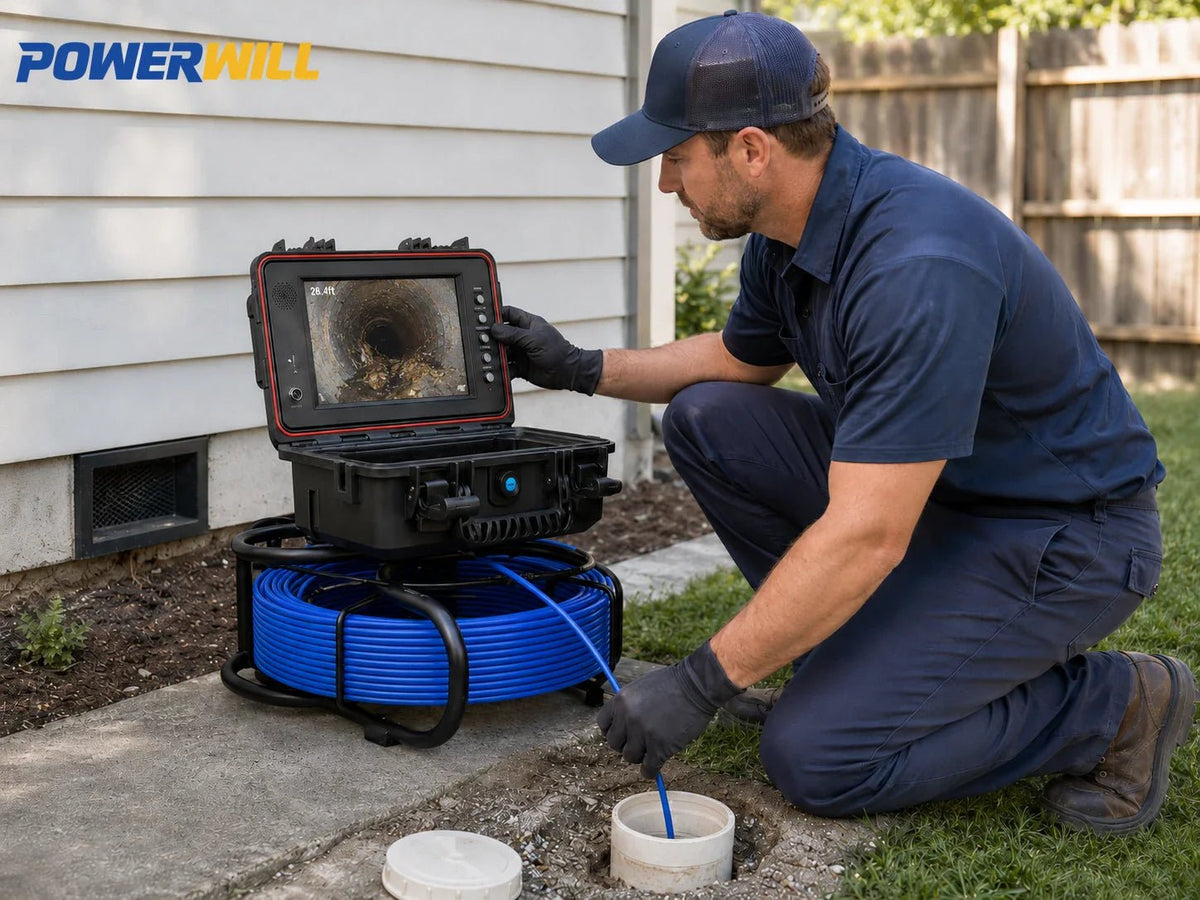
A plumbing camera snake is usually shorthand for a push-camera system that moves through a pipe the way a snake cable does, but its job is to show the blockage, not chew through it. Home Depot's drain snake guide says an auger is used to clear the stoppage, while HomeGuide's 2026 inspection-cost guide shows why the camera matters: sewer camera inspections usually cost $125 to $500 before any repair work begins. So the real buying question is not whether you need a flashy gadget. It is whether you need to see the problem first, clear it first, or use both tools in the right order.

A plumbing camera snake is most useful when it tells you whether you need to clear the line, inspect deeper, or stop before you pay for the wrong repair.
What People Mean by a Plumbing Camera Snake
When shoppers say "plumbing camera snake," they usually mean a pipe inspection camera on a flexible push cable. The word snake shows up because the cable feeds down the line, but the job is different from a drain auger.
A true drain snake is a clearing tool. Home Depot describes a plumbing snake or drain auger as the tool used when a drain is slow or fully stopped so the cable can reach in and break up the obstruction. A camera system gives you the visual proof that tells you whether the obstruction is hair, grease, roots, standing water, or a damaged section.
The confusion matters because buyers often expect one tool to do both jobs equally well. In reality, a camera shows and a snake clears. Sometimes the smartest workflow uses both, but they are not interchangeable.
Back to topWhen a Snake Is the Right First Tool
If the problem is a simple fixture clog and the symptom is limited to one drain, a standard snake is often the right first move. Home Depot's guide says a handheld drain auger is a good first tool when the clog affects one floor or one side of the house, and it notes that main-line clogs often need a larger freestanding auger machine.
This Old House makes the same point from a homeowner-safety angle: a drain snake is a safer and more effective way to break up a clog than pouring chemical cleaners into the line. That is especially true when you want to avoid making the pipe more hazardous for the next person who opens it.
If you only need to remove a known soft blockage near the fixture, spending camera money first can be overkill. The key is not mistaking that situation for a deeper or recurring line problem.
Back to topWhen a Camera Is the Smarter First Tool
A camera is the smarter first tool when the clog keeps coming back, when several drains are affected, when you suspect roots or a break, or when somebody is already talking about excavation. In those cases, clearing the line without understanding the cause can waste money and hide the real issue for a few more weeks.
HomeGuide's cost guide says a camera inspection usually costs $125 to $500, and that homes without a cleanout can run $175 to $750 because access is harder. That price is often small compared with the cost of approving the wrong repair path.
The visual record also changes how you talk to a plumber, seller, or insurer. A video that shows roots at a specific distance or standing water near the yard side connection is far more useful than saying "the line backed up again."
Back to topWhen You Need Both Tools in Sequence
The most common professional workflow is not snake versus camera. It is snake and camera in sequence. First clear enough obstruction to restore flow or reach the deeper part of the line. Then re-scope to see whether the root cause is buildup, a belly, an offset, or structural damage.
This is especially important with root intrusion. Home Depot's guide notes that roots are a common cause of main-line clogs and that cutting them with an auger can be only a temporary fix. A follow-up camera run is what tells you whether the joint is still open, whether the roots keep entering, and whether repair pricing is now justified.
That same logic applies after hydro-jetting. If the cleaning solved the flow problem but not the underlying pipe damage, the camera is what keeps you from calling the job done too early.
Back to topWhich Camera Snake Setup Actually Fits the Job
If you want a homeowner-friendly camera snake for smaller drains and repeat verification, the Powerwill PW9D1 is the easiest starting point. The current product page lists a 9-inch IPS screen, 1080p recording, self-leveling, and a 100-foot 5 mm fiberglass cable with meter marking.
If you want longer household reach or locator support, Powerwill's selection guide points to the PW9D2 for 1.5-inch to 6-inch household drains and longer cable options. If maneuverability in 2-inch to 4-inch residential pipe matters most, the 7DH2 adds a rotating dual-camera head and distance counter.
The better question is not "what is the best plumbing camera snake?" It is "what pipe size, run length, and reporting need do I really have?" That answer tells you whether you need a simple homeowner setup, a longer lateral tool, or a plumber-grade inspection platform.
Key Takeaways
- A plumbing camera snake usually means a push-camera inspection tool, while a drain snake or auger is the tool that actually clears the stoppage.
- Use a standard snake first when the clog is simple, isolated, and likely close to the fixture rather than deep in the line.
- Use a camera first when the backup is recurring, multiple drains are affected, or the problem may involve roots, standing water, or structural damage.
- The most effective workflow often uses both tools in sequence: clear enough to restore access, then inspect to confirm the real cause and next repair step.
- For many homes PW9D1 is the easiest camera-snake starting point, while PW9D2 and 7DH2 make more sense when reach or maneuverability demands grow.
FAQ
Is a plumbing camera snake the same thing as a drain snake?
No. A drain snake clears a blockage, while a plumbing camera snake shows you what is in the line. They can work together, but they are not the same tool.
Do I need a camera if my snake already cleared the clog?
Not always, but you often do if the clog keeps coming back or if the line may have roots, a belly, or structural damage. Clearing flow and solving the cause are not always the same thing.
When is a camera smarter than snaking first?
A camera is smarter first when several drains are backing up, the line may need digging, or you need evidence before choosing a repair. It is also valuable when you want to avoid paying for the wrong service.
Can a homeowner use a plumbing camera snake?
Yes, especially for straightforward residential checks. A system like the Powerwill PW9D1 makes that easier because the self-leveling image and meter marking reduce guesswork.
What if roots are the real problem?
Then the snake may only buy time. A follow-up camera inspection is what tells you whether the line is still vulnerable and whether repair planning is now justified.
Conclusion
A plumbing camera snake earns its keep when it helps you choose the right next step before you spend real repair money. Once you understand the difference between seeing the problem and clearing the problem, the tool decision gets much easier.
If you want a camera built for that inspect-before-repair workflow, start with the Powerwill drain camera lineup and match the reel to your pipe size and typical run length.
Back to top
Comments
No comments