
Spring Plumbing Checklist 2026: 5 Things Every Homeowner Should Inspect
 Michael Carter
0 comments
Michael Carter
0 comments
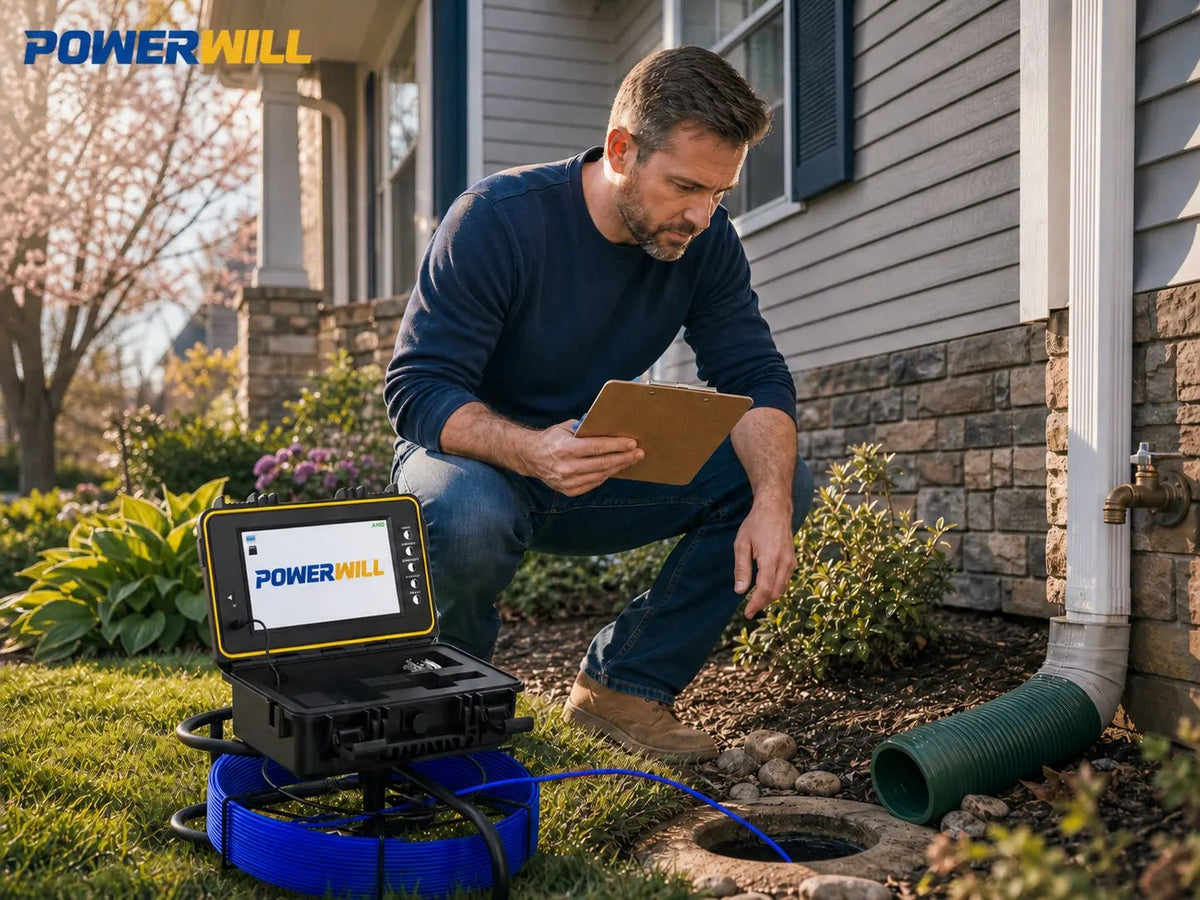

A spring plumbing checklist works best when you inspect the drainage path before approving a repair quote.
A useful spring plumbing checklist is not just a reminder to "look around." It should help you find winter damage, hidden leaks, runoff mistakes, and early sewer warning signs before they become summer emergencies. EPA says the average American uses about 82 gallons of water per person per day, and its current leak guidance says common household leaks can waste more than 9,300 gallons per year. That is why the best spring inspection is practical: follow the water from roofline to cleanout, and inspect before you approve a repair.
1. Start at the Roofline
The first spring plumbing check is above your head, not under your sink. Roof runoff creates many of the wet-basement, soggy-yard, and overloaded-drain problems homeowners later blame on "bad plumbing." EPA's current downspout guidance warns that many downspouts dump onto pavement or into buried lines that feed storm or sanitary systems, which increases runoff and can send water toward the house instead of away from it.
Walk every downspout after the first spring rain. Make sure it is attached, flowing, and discharging somewhere safe. If the outlet points at a driveway, foundation edge, or a saturated strip of soil, that is not just a yard issue. It can become a plumbing issue because excess surface water often finds its way to the lowest drain, the cleanout area, or the basement floor drain.
If your home already has buried drain pipe connected to a downspout, inspect the exit point too. Water backing up at the top may mean the buried line is clogged or crushed. This is exactly where homeowners often waste money by regrading, trenching, or replacing catch basins before they confirm whether the existing line still passes water.
↑ Back to top2. Hunt for Hidden Indoor Leaks
Spring is also the best time to reset your water-use baseline after winter. EPA's current water bill guidance says the average American uses around 82 gallons per day per person, while its current Fix a Leak Week page says common household leaks can waste more than 9,300 gallons per year and that nine percent of homes have leaks wasting 50 gallons or more per day.
That is why spring is a good month to compare your current bill to your cold-weather bill. If usage jumps before irrigation starts, inspect toilets, supply valves, washing-machine hoses, and water heater connections. A small toilet flapper problem can waste water silently for weeks. A tiny drip at a supply line can stain drywall, soften cabinet bases, and create a mold issue before anyone notices.
EPA also recommends checking your meter during a two-hour period when no water is being used. If the meter moves, you likely have a leak. That one test is cheap and objective. It gives you a reason to keep looking or peace of mind to move on.
| Checkpoint | Why it matters |
|---|---|
| Water bill trend | Confirms whether usage changed before outdoor watering season began. |
| Toilet dye test | EPA recommends it because toilets are one of the easiest silent leaks to miss. |
| Meter check | A moving meter during no-use hours usually means hidden flow somewhere in the system. |
| Water heater and washer hoses | These are common spring failure points after winter temperature shifts and vibration. |
3. Check Outdoor Water Paths and Fixtures
Outdoor plumbing damage often shows up only when you start using it again. EPA's Fix a Leak guidance specifically says in-ground irrigation systems should be checked each spring for freeze damage before use and notes that even a small leak can waste thousands of gallons per month. That makes spring the right time to inspect hose bibs, irrigation heads, valve boxes, and any exposed supply piping.
Turn each outdoor faucet on and off. Look for drips at the spout, spray at the connection, or water appearing inside the basement wall or crawlspace where the line passes through. Then run each irrigation zone long enough to look for geysers, soft spots, or heads that never rise correctly. Broken heads are obvious. Split lines often are not.
Also inspect any area where roof runoff meets lawn runoff. A wet strip along a foundation wall or a puddle near a patio is not always a surface-grading problem. Sometimes the real issue is that a buried line serving a downspout or yard drain has failed. If you already know the property has drain pipe underground, this is a good moment to inspect it instead of guessing.
That inspect-before-repair step matters because outdoor water problems are some of the easiest places to overspend. Homeowners often install a new surface fix on top of a blocked pipe path. The result looks better for one storm, then fails again.
↑ Back to top4. Protect the Lowest Level of the House
The lowest level of the home tells you where drainage and plumbing problems will show themselves first. That may be a basement, garage slab, utility room, or first-floor bathroom in a slab-on-grade home. If water has nowhere to go outside, the lowest indoor point often becomes the pressure-release point.
Check floor drains for odor, dryness, and slow flow. Run water through little-used drains to make sure the trap still holds water. Inspect the sump area if you have one. Make sure the discharge path is clear and not dumping right back at the foundation. During spring rain patterns, this is one of the easiest ways to confuse a drainage problem with a plumbing problem.
If your house has ever had water at the basement drain, the utility sink, or the shower floor during heavy rain, document it now. Note which fixture backed up first and under what conditions. Was every fixture slow, or only one? Did the problem happen only after a storm? That pattern helps separate a sewer-capacity issue from a local branch clog.
Homeowners who skip this step often end up calling for drain cleaning when the bigger issue is stormwater overload around the house. The right fix starts with the pattern, not the panic.
↑ Back to top5. Watch for Sewer Warning Signs
The fifth spring check is the most important one to document. If multiple drains are slow, toilets bubble, the cleanout smells stronger than normal, or one soggy strip of lawn appears over the line path, stop guessing. According to HomeGuide, a sewer camera inspection usually costs $125 to $500. Angi's 2026 cost guide says standard camera inspections are often $150 to $300, while more specialized work costs more.
Those numbers are small compared with repair costs. HomeGuide says sewer line repair often runs $60 to $250 per linear foot, and HomeAdvisor's current replacement guide puts the average full replacement at $3,319. That is why spring is the season to scope the line if warning signs are repeating. You want to know whether you are dealing with roots, a belly, offset joints, grease, or a collapse risk before somebody recommends excavation.
This is also where a homeowner-grade system can make sense. If you expect repeated checks on an older home, a current Powerwill PW9D1 model listed from about $409 can cost less than a few professional visits. If you only need one inspection, pay the pro. If you need repeat evidence, owning the camera can be the better spring-prep move.
Ready to inspect instead of guess? Start with Powerwill's self-leveling sewer camera collection and choose a homeowner-friendly model before the heavy summer drain season begins.
↑ Back to topKey Takeaways
- Start with downspouts and runoff paths. Many spring "plumbing" problems begin outside, where roof water is being sent to the wrong place.
- Use spring to reset your leak baseline. Water bills, toilet dye tests, and a simple meter check can reveal silent leaks before they waste thousands of gallons.
- Outdoor fixtures need a real startup inspection. Irrigation leaks, split lines, and damaged hose bibs often appear only when you use them again.
- The lowest drain in the house tells you a lot. Basement drains, utility sinks, and shower floors often show whether the problem is local or system-wide.
- Recurring sewer symptoms deserve a camera before a repair quote. A $125 to $500 inspection is usually cheaper than approving the wrong excavation or replacement.
FAQ
What is the most important plumbing task to do each spring?
For most homes, checking downspouts, runoff paths, and hidden leaks gives the highest return. Those are the places where winter damage and spring rain combine to create bigger plumbing and drainage problems.
How do I know if my spring water bill points to a leak?
EPA says the average American uses about 82 gallons per day per person. If your usage jumps before heavy outdoor watering starts, or if your meter moves during a no-use period, start hunting for leaks.
Should I inspect my irrigation system every spring?
Yes. EPA specifically recommends checking irrigation systems each spring for freeze damage before use. A small leak can waste a surprising amount of water and hide for weeks in the lawn.
When is a sewer camera inspection worth it for a homeowner?
It is worth it when multiple drains are slow, clogs repeat, toilets bubble, or yard symptoms suggest a buried-line problem. In those cases, a camera can help you approve the right repair instead of the loudest guess.
Can a homeowner use a Powerwill camera for spring checks?
Yes, if you expect repeated inspections or want to document what you see before calling a contractor. Powerwill's self-leveling residential systems are built around exactly that inspect-before-repair use case.
Comments
No comments