
Slow Draining Toilet Keeps Coming Back? How to Prevent It
 Michael Carter
0 comments
Michael Carter
0 comments
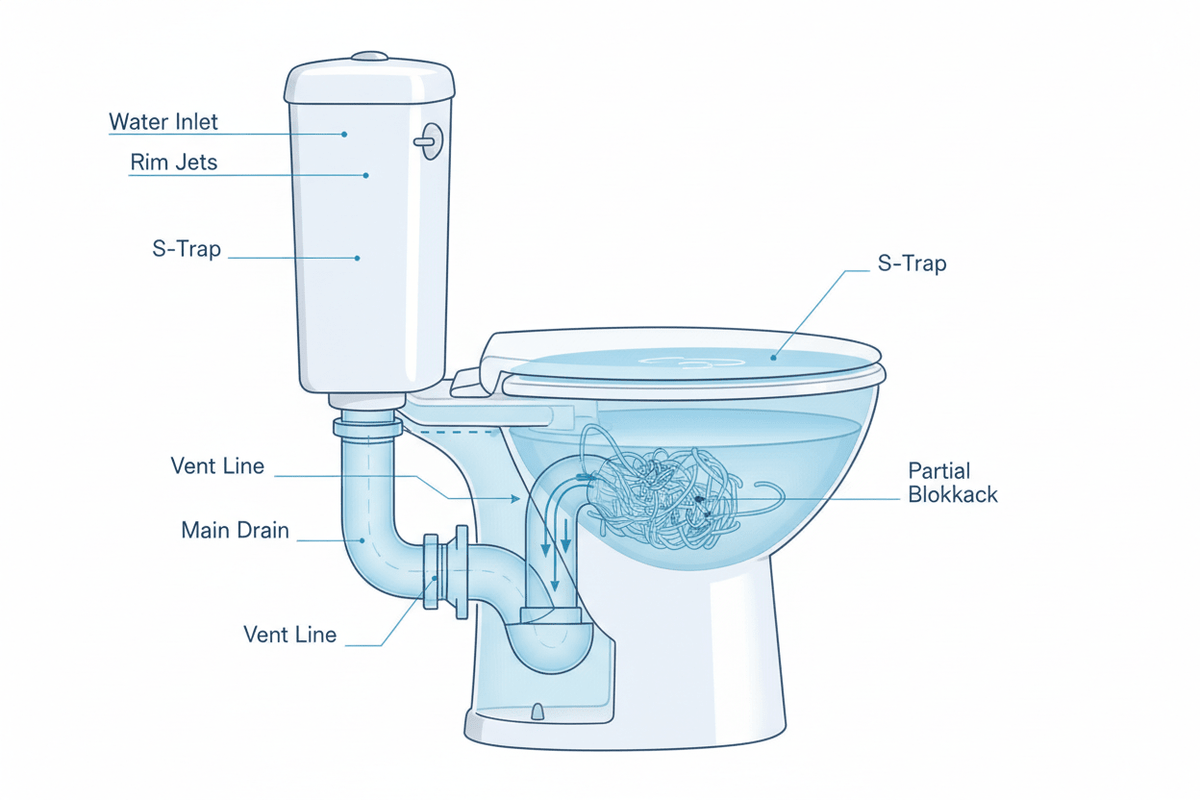
Table of Contents:
- Slow Draining Toilet Keeps Coming Back? How to Prevent It
- Why Slow Drainage Often Comes Back
- The Simple Prevention Checklist (Homeowner-Friendly)
- Watch These Early Signals Before It Gets Worse
- If You Fixed It… How Do You Know It’s Truly Gone?
- Where This Fits in the Bigger “Slow Drain” Decision Path
- Final Thought
- FAQ
Slow Draining Toilet Keeps Coming Back? How to Prevent It
You finally get the toilet to flush normally again—only to notice the same slow swirl a few weeks later.
That “it’s back” feeling is common with a slow draining toilet. And it’s usually not because you did something wrong.
More often, it’s because the original issue wasn’t a one-time event—it was a pattern.
This guide focuses on prevention: what causes slow drainage to return, and what homeowners can do to reduce repeat problems without turning maintenance into a full-time job.
Why Slow Drainage Often Comes Back
A toilet that drains slowly once can be a simple, local issue (too much paper, a small obstruction in the trap).
But when it becomes recurring, one of these is usually true:
1) The restriction was never fully removed
A plunger might improve flow temporarily, but partial buildup can remain and gradually slow things down again.
2) The real issue is further down the line
If the restriction is deeper in the drain line, surface-level fixes may not address the underlying narrowing or debris.
3) Habits keep reintroducing the problem
Even small daily choices add up—especially around paper usage and what gets flushed.
The good news: prevention doesn’t require technical skills. It’s mostly about reducing the inputs that cause buildup and watching for early signals.
The Simple Prevention Checklist (Homeowner-Friendly)
1) Treat “flushable” as marketing, not plumbing advice
If it isn’t toilet paper, it doesn’t belong in the toilet.
Wipes, even the “flushable” ones, often don’t break down like toilet paper and can contribute to slow drainage over time.
2) Be mindful of paper volume
A slow draining toilet often starts as a small resistance.
Large paper loads create the perfect conditions for a partial restriction.
If your household uses a lot of paper in one flush, reducing volume can make a noticeable difference over time.
3) Keep the bowl’s flush power healthy
Weak flushing makes slow drainage more likely to return because the system isn’t clearing the trap efficiently.
In hard-water regions, mineral deposits can reduce flow at the rim jets and siphon jet, leading to less effective flushing.
You don’t need to obsess over it—but occasional attention to buildup (especially if you see staining around jets) helps maintain normal performance.
4) Don’t rely on harsh chemical drain cleaners
Many homeowners reach for chemicals when drainage slows down, but these products can create new problems—especially with older plumbing systems.
They also don’t solve structural or deeper-line restrictions, which is often the real reason slow drainage returns.
A prevention mindset is less about stronger chemicals and more about reducing the causes of buildup.
Watch These Early Signals Before It Gets Worse
Recurring slow drainage usually gives warnings. Catching them early prevents bigger headaches.
Look for:
- The swirl slows down gradually over time
- More than one flush is needed to clear the bowl
- Gurgling sounds from nearby drains
- The toilet improves, then slowly regresses again
Those patterns matter more than a single “bad flush.”
If You Fixed It… How Do You Know It’s Truly Gone?
A practical way to think about it:
A one-time fix feels immediate and stable.
If the toilet drains normally for weeks with no regression, it was likely localized.
A deeper restriction tends to return gradually.
You’ll feel the drain slow down again even if nothing changed in your habits.
If you’re seeing the second pattern, it helps to step back and revisit root causes rather than repeating the same quick fix.
If you want a clear breakdown of the most common root causes and what they mean, start here: the most common underlying causes behind slow drainage .
Where This Fits in the Bigger “Slow Drain” Decision Path
If you’re dealing with recurring issues, prevention is only one piece of the puzzle.
If you’d rather understand why the problem started in the first place, it helps to look at what typically causes toilets to drain more slowly over time .
Final Thought
A slow draining toilet that returns isn’t always a sign of disaster.
It’s usually a sign of one of two things:
- buildup that never fully cleared, or
- habits and conditions that keep recreating the same restriction.
Prevention works best when it’s calm, consistent, and simple.
And if you’re unsure what you’re actually preventing, the fastest clarity comes from understanding why toilets drain slowly in the first place.
FAQ
Why does my slow draining toilet keep coming back?
Recurring slow drainage often means the restriction wasn’t fully removed or the underlying cause sits farther down the drain line. It can also return when habits (like flushing wipes or heavy paper loads) keep recreating the same buildup over time.
What’s the simplest way to prevent slow toilet drainage?
Keep it basic: only flush toilet paper, reduce heavy paper loads, and avoid harsh chemical drain cleaners. If hard water is common where you live, occasional attention to mineral buildup can also help keep flushing performance consistent.
When should recurring slow drainage be checked more seriously?
If the toilet improves and then gradually regresses again, or if you notice gurgling, odors, or multiple fixtures draining slowly, it’s worth stepping back and reviewing root causes—or consulting a professional for a clearer diagnosis.
When clarity matters more than guesswork.
Explore inspection solutions
Comments
No comments