
NASSCO PACP Coding 101: What Every Pro Needs to Know
 Michael Carter
0 comments
Michael Carter
0 comments
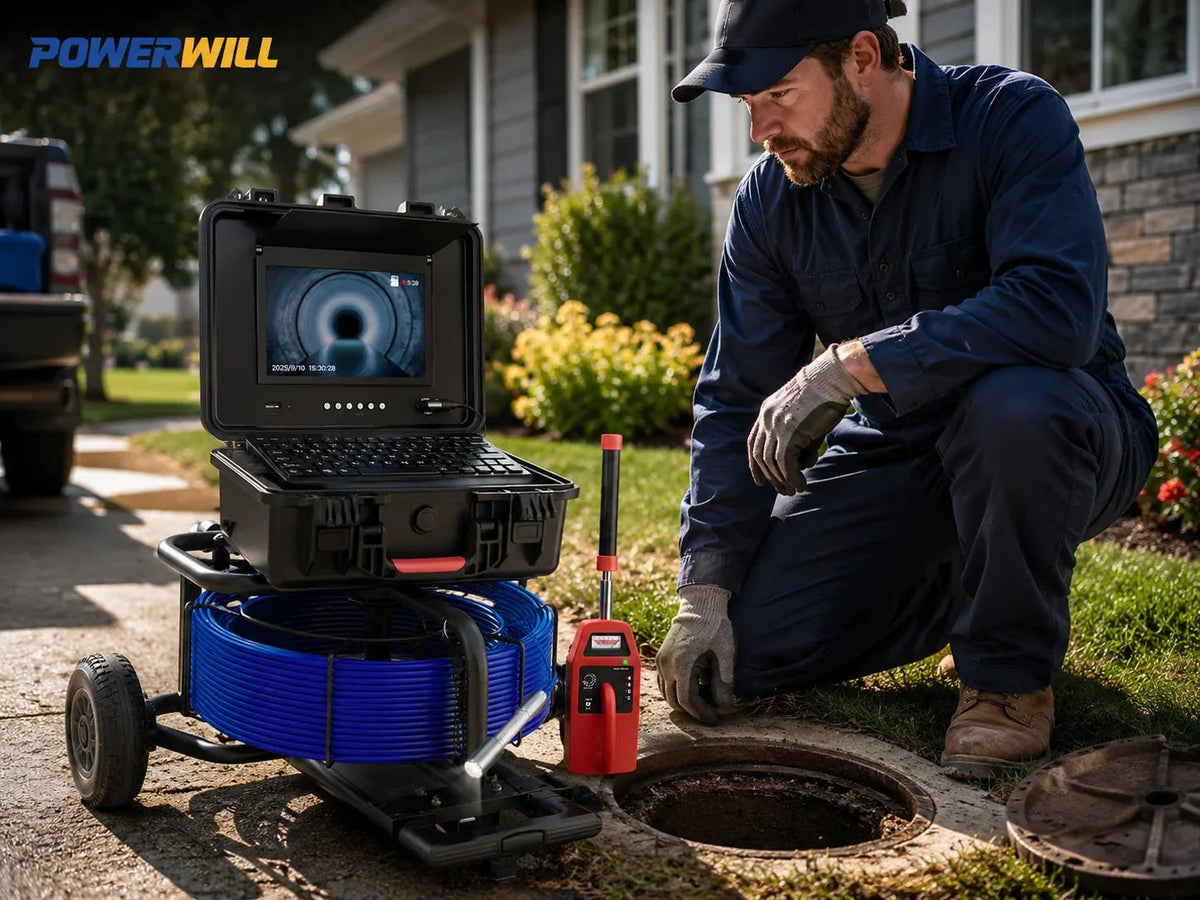

Standardized coding works best when the footage is upright, recorded clearly, and tied to real field location data.
NASSCO PACP coding matters because it gives sewer inspection crews a shared language for documenting what they see, how severe it is, and what should happen next. NASSCO says PACP, LACP, and MACP are the trusted sources for consistent condition coding, and the PACP condition grading system turns field observations into structured ratings that owners can use to plan maintenance and rehabilitation. For plumbers and small contractors, the practical takeaway is simple: if you want footage to hold up in professional reporting, you need more than a camera. You need a repeatable coding method.
What PACP Actually Is
PACP stands for Pipeline Assessment Certification Program. According to NASSCO's PACP program page, PACP, LACP, and MACP are the trusted sources for proper and consistent assessment condition coding of pipelines, laterals, and manholes. In plain English, PACP is the rulebook many professional CCTV inspection teams use when they need to describe pipe condition in a way that municipalities, engineers, and asset owners can compare across jobs.
That distinction matters. PACP is not the same thing as saying, "I ran a camera and saw roots." PACP is about recording observations in a consistent format with distance, position, defect type, and severity logic that another trained reviewer can understand later. NASSCO says the goal is to help pipeline system owners identify, plan, prioritize, manage, and renovate assets based on condition evaluation.
For a plumbing shop, PACP becomes more valuable as the work becomes more formal. If you are doing real-estate scopes, municipal subcontract work, condition surveys for engineers, or repeat commercial reporting, consistent coding can be the difference between useful video and a defensible inspection record.
Back to topThe Core Language Every Operator Needs to Understand
The easiest way to understand PACP is to think of it as three layers: the observation, the grade, and the resulting pipe rating. First, the operator records what is actually present. That includes the defect or feature, where it appears in the run, and how serious it looks.
Second, the condition gets graded. NASSCO's PACP Condition Grading System article explains that PACP condition ratings are built from condition grades 1 through 5 plus the number of times that grade appears. That means severity and frequency both matter. One serious hole and five serious holes are not the same pipe problem even if the defect name is the same.
Third, the workflow converts those observations into structural, operational and maintenance, and overall ratings. NASSCO says PACP inspection reports can include eight or nine different condition grades, including Structural Quick Rating, O&M Quick Rating, Overall Quick Rating, Structural Pipe Rating, O&M Pipe Rating, Overall Pipe Rating, and related indexes. That is where PACP stops being field notes and starts becoming a management tool.
Back to topStructural vs. O&M: The Split That Changes Decisions
One of the most important PACP concepts for new operators is that not every defect means the same kind of action. NASSCO separates structural condition from operational and maintenance condition for a reason.
Structural defects are the ones that usually drive repair, rehabilitation, or engineering review. Think cracks, fractures, holes, deformation, or collapse-related concerns. These are the observations that tell an owner the pipe itself is losing integrity.
O&M defects are different. These are the items that more often trigger cleaning, root removal, grease management, infiltration control, or follow-up maintenance instead of replacement. If a pipe has heavy deposits or roots but the barrel itself is still structurally sound, the action plan may sit with operations instead of capital rehab.
That split is more than paperwork. It helps crews avoid the most common reporting mistake in smaller shops: treating every bad-looking pipe as a dig-now emergency. In reality, some pipes need jetting, some need lining, some need point repair, and some simply need better documentation so the owner can track deterioration over time.
Back to topWhere PACP Fits for Plumbers, Drain Contractors, and Laterals
PACP is often discussed in a municipal context, but NASSCO's own program pages make the private-side relevance clear too. NASSCO says BSDI is designed for plumbers, small contractors, and others involved in assessing building sewers and drains. That same page explains that PACP is used to assess mainlines, LACP is used to assess laterals, and MACP is used to assess manholes.
That matters because many plumbing companies are not inspecting municipal mains all day. They are scoping building drains, residential laterals, and light commercial runs. For those teams, PACP is still useful because it teaches the discipline behind standardized condition capture, while BSDI may be the more directly relevant NASSCO track when the work starts inside or near the building and runs out toward the main.
NASSCO explicitly says BSDI helps plumbers and small contractors expand their business. Customers trust inspection reports more when the operator can explain not only what was seen, but how it was coded, located, and prioritized.
Back to topThe Business Math Behind Standardized Coding
Standardized reporting is not free, so it helps to look at the numbers honestly. NASSCO currently lists initial PACP-only certification at $1,240, and certification is valid for three years. That is not a trivial expense for a small shop, especially if you also need training time, software, and better hardware.
But inconsistent reporting also costs money. Angi's current 2026 inspection-cost guide says a standard sewer camera inspection typically runs $150 to $300, with HD inspections at $300 to $600 and specialty camera work reaching $600 to $1,500+. If your shop is already selling inspection services, PACP-style consistency can help justify a more professional service tier, reduce callback confusion, and make reports easier for engineers, buyers, and property managers to act on.
There is also the failure-cost side. The EPA says there are at least 23,000 to 75,000 sanitary sewer overflows per year in the U.S., and common causes include blockages, line breaks, and defects that allow stormwater or groundwater to overload the system. When condition data is weak, maintenance priority usually gets weaker too.
| Reference point | Current published figure | Why it matters |
|---|---|---|
| NASSCO PACP-only certification | $1,240 initial cost | Shows the real training investment required for formal coding work. |
| Certification term | 3 years | Helps shops think about cost over time instead of per month. |
| Standard sewer camera inspection | $150-$300 | Basic benchmark for what smaller jobs can earn. |
| HD sewer camera inspection | $300-$600 | Useful benchmark for more professional reporting value. |
| EPA SSO estimate | 23,000-75,000 per year | Reminds crews that poor condition data has public-health and cost consequences. |
What PACP Does Not Do
New operators sometimes talk about PACP as if certification automatically upgrades footage quality or makes every recommendation objective. It does not. PACP is a coding standard. It helps standardize how the condition is described, but it still depends on operator skill, camera control, lighting, capture discipline, and software workflow.
It also does not replace asset-management judgment. NASSCO's condition-grading article makes this point directly: the grading system refers only to the surveyed pipe length and does not itself reflect broader asset-management principles. In practice, that means the same defect can have different consequences depending on whether it is in a sanitary sewer, storm line, private lateral, or high-risk critical segment.
That is why pro shops should treat PACP as one part of a reporting stack: good camera handling, clear footage, consistent coding, accurate locating, and correct repair recommendations. If any one of those is weak, the final report is weaker than it should be.
Back to topHow to Make Your Inspection Workflow More PACP-Ready
You do not need to fake full municipal reporting to get practical value from PACP logic. Most smaller teams can improve immediately by tightening five habits.
- Capture cleaner footage. Self-leveling footage and stable lighting make coding easier because the operator spends less time mentally reorienting the image.
- Record observations consistently. Even before certification, your shop can standardize how it records roots, deposits, fractures, offsets, and intrusions so reports stop sounding different depending on who was behind the reel that day.
- Separate maintenance from structural urgency. A line that needs root cutting is not the same as a line that needs replacement. That distinction builds trust and prevents overcalling.
- Match the training to the work type. If your work centers on building drains and laterals, BSDI or lateral-focused workflows may be more directly relevant than mainline-first habits.
- Use hardware that supports defensible reporting. A self-leveling, locator-ready system with DVR recording and distance counting makes it easier to deliver footage someone else can actually use.
This is where Powerwill fits naturally without overpromising. A system such as the Powerwill 10DX1 gives pro-oriented features that support better reporting: self-leveling footage, a 10-inch IPS monitor, distance counting, DVR capture, and optional 512Hz locating. That does not make the operator PACP-certified, but it does support the kind of upright, location-aware documentation serious reporting requires.
If your shop is still using shaky footage and vague verbal summaries, the fastest improvement usually is not learning more buzzwords. It is tightening the workflow so your reports become consistent enough that formal coding standards can actually add value.
Back to topKey Takeaways
- PACP is a standardized coding and condition-reporting system, not just a way to say you ran a sewer camera.
- NASSCO separates structural condition from O&M condition because the right action is not always repair; sometimes it is maintenance, cleaning, or monitoring.
- PACP is used for mainlines, while LACP and BSDI matter more when your work centers on laterals, building sewers, and plumber-led inspections.
- Initial PACP certification currently costs $1,240 and lasts three years, so shops should treat it as a business investment tied to better reporting and better jobs.
- A PACP-ready workflow still depends on clean footage, consistent observations, accurate locating, and hardware that helps you document what you saw.
FAQ
Is PACP only for municipalities?
No. PACP is heavily used in municipal and engineering environments, but the discipline behind standardized coding also helps private inspection companies, plumbers, and drain contractors who need more defensible reporting.
What is the difference between PACP and BSDI?
PACP is NASSCO's mainline pipeline assessment standard. BSDI focuses on building sewers and drains, and NASSCO says it is aimed at plumbers and small contractors assessing private-side systems.
Do I need PACP certification to sell sewer camera inspections?
No, but certification can help when your customers expect formal reporting, consistent documentation, or work that interfaces with engineers, municipalities, or property managers.
Does PACP tell me whether to clean or replace a pipe?
Not by itself. PACP helps classify and grade the condition, but the final action still depends on the defect type, severity, frequency, system risk, and the broader asset-management context.
What kind of camera helps with PACP-style reporting?
A self-leveling, locator-ready camera with recording and distance counting helps a lot because it makes footage easier to interpret and easier to document. Powerwill's 10DX1 is one example of a professional-style setup that supports that kind of reporting workflow.
Comments
No comments