
Drain Cleaning Machine vs. Drain Camera: Key Differences Explained
 Michael Carter
0 comments
Michael Carter
0 comments
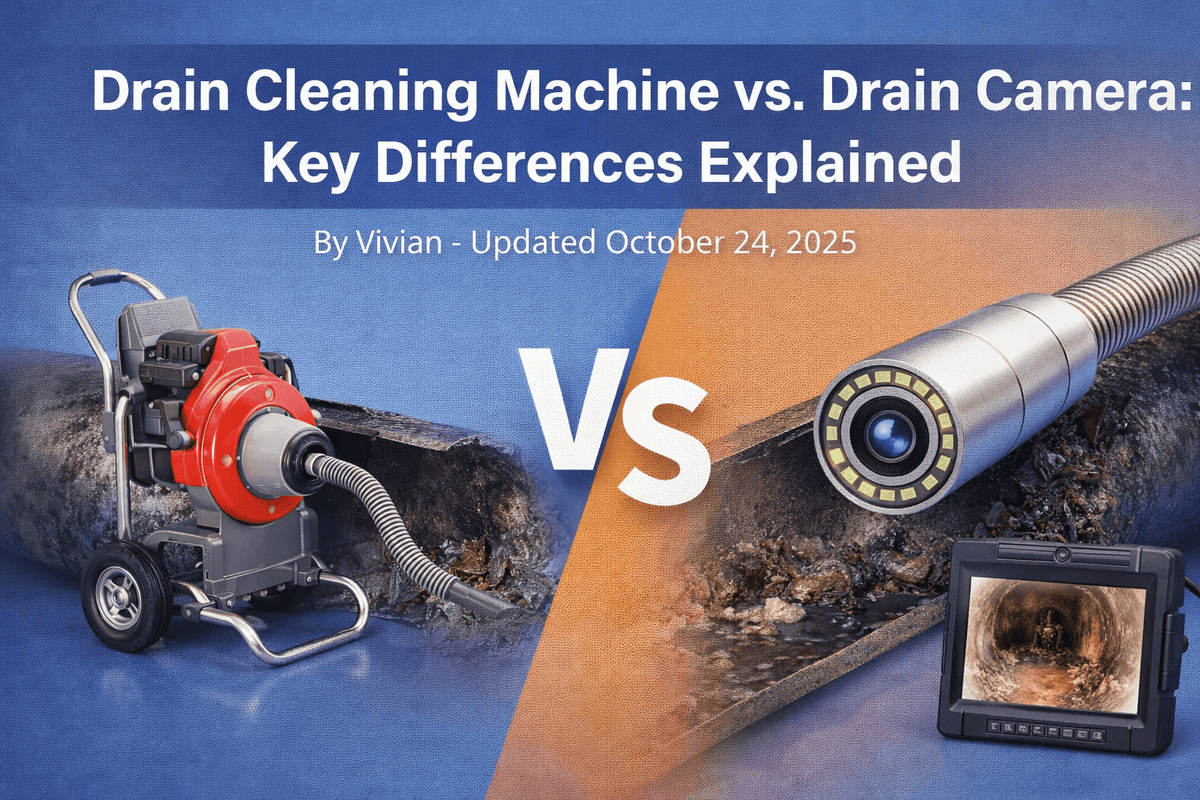
Table of Contents:
- Drain Cleaning Machine: Clearing the Blockages
- Drain Camera: Diagnosing the Problem
- Key Differences Between Drain Cleaning Machines and Drain Cameras
- Conclusion: Which Tool Should You Choose?
- FAQ
Drain Cleaning Machine: Clearing the Blockages
A drain cleaning machine, also known as a drain auger or snake, is primarily designed to physically remove blockages from pipes. It uses mechanical force, either through a rotating cable or high-pressure water, to break apart or flush away obstructions caused by grease, hair, soap buildup, or tree roots.
How It Works:
The machine works by feeding either a rotating steel cable or high-pressure hose into the pipe. The cable, equipped with various cutting heads, spins to slice through debris, while high-pressure jetting uses water jets to clear away obstructions. These methods can be used separately or together to maximize cleaning efficiency.
Best For:
- Stubborn clogs in sinks, toilets, and sewer lines.
- Use by professional plumbers or contractors.AukfaPeachLeaf
- Routine cleaning after an inspection or persistent slow drainage.
Limitations:
- The machine can remove clogs but doesn't diagnose the root cause (such as cracks or misaligned pipes).
- It can damage old or fragile pipes if used incorrectly.
- Not suitable for DIY beginners without experience.
Drain Camera: Diagnosing the Problem
A drain camera, also called a sewer camera or plumbing camera, is a diagnostic tool designed to inspect the inside of pipes without causing any damage to walls or floors. It is perfect for locating issues like blockages, leaks, or damage inside the pipes.
How It Works:
A camera head, typically attached to a long cable with LED lighting and a waterproof casing, is inserted into the pipe. The camera sends real-time footage to a monitor, allowing the operator to inspect the pipe's interior for cracks, corrosion, root intrusions, or collapsed sections. Some cameras even have advanced features like self-leveling or distance counters.
Best For:
- Diagnosing hidden issues before or after cleaning.
- Home inspections before buying or selling properties.
- Preventive maintenance for property managers or homeowners.
Limitations:
- Cameras cannot remove clogs—they only identify issues.
- Visibility can be limited in heavily blocked pipes until they're partially cleared.
Key Differences Between Drain Cleaning Machines and Drain Cameras
-
Price
Generally, drain cleaning machines are more expensive both to purchase and maintain. A quality cleaning machine costs anywhere from $400 to $2,500+, depending on size and power. In comparison, a basic drain camera is more affordable, ranging from $200 to $2,000, with higher-end models featuring advanced features like self-leveling lenses or locators. - Function
- Drain Cleaning Machines: These are used to physically clear blockages by employing mechanical methods like cables, blades, or high-pressure jets.
- Drain Cameras: Used for inspecting the condition of pipes, these devices provide a live or recorded video feed to help locate and diagnose issues like cracks, corrosion, and blockages.
- Operating Method
- Drain Cleaning Machines: Use mechanical power to clear obstructions (e.g., rotating cables or high-pressure water).
- Drain Cameras: Operate by providing a visual feed from inside the pipe using a camera lens.
- Skill Level
- Drain Cleaning Machines: Requires more skill and experience, as improper use can lead to damage to pipes.
- Drain Cameras: User-friendly, with most models offering easy plug-and-play features for beginners.
- Use Scenarios
- Drain Cleaning Machine: Best used when you know there’s a blockage that needs clearing.
- Drain Camera: Ideal for inspecting, locating, and diagnosing issues before or after cleaning.
- Result and Output
- Drain Cleaning Machine: Clears the pipe, restoring normal water flow.
- Drain Camera: Provides a visual inspection report, either as a live feed or recorded footage.
- Maintenance and Longevity
- Drain Cleaning Machines: Require regular maintenance due to their moving parts (motors, cables, and blades).
- Drain Cameras: Have fewer moving parts, making them easier to maintain with minimal care.
- Professional vs DIY Use
- Drain Cleaning Machines: Typically used by professional plumbers, contractors, or experienced users.
- Drain Cameras: Popular for DIY enthusiasts and homeowners due to their ease of use.
Conclusion: Which Tool Should You Choose?
The main difference between a drain cleaning machine and a drain camera lies in their purpose: a drain camera is used to identify issues within the pipes, while a drain cleaning machine is used to fix those issues.
For a comprehensive plumbing maintenance approach, many professionals combine the use of both tools—starting with the camera to diagnose the problem, followed by using the cleaning machine to clear the clog, and then re-inspecting the pipes to ensure everything is in order.
FAQ
Q1: Can I Use Both Tools Together?
Yes, the ideal process involves using a drain camera to inspect the pipe, followed by cleaning the line with a drain cleaning machine, and then re-inspecting with the camera to ensure the issue is resolved.
Q2: Are Drain Cameras Hard to Use for Beginners?
Not at all. Most drain cameras are designed to be easy to use, with simple plug-and-play functionality.
Q3: How Often Should I Inspect My Drains?
For residential homes, annual inspections or inspections after major blockages are recommended. Commercial properties may require quarterly checks.
Q4: Can a Drain Cleaning Machine Damage Pipes?
Yes, if used improperly, particularly in older or fragile pipes. It's crucial to use the correct size cable and proceed with care.
By understanding the distinct roles of each tool, you can make an informed decision about which one best suits your needs, whether you're tackling a blockage or simply performing a thorough inspection.
Comments
No comments