
Inspección de desagües para el mantenimiento de propiedades: cómo evitar que se repitan las quejas en cocinas y baños
 MichaelCarter
0 comments
MichaelCarter
0 comments
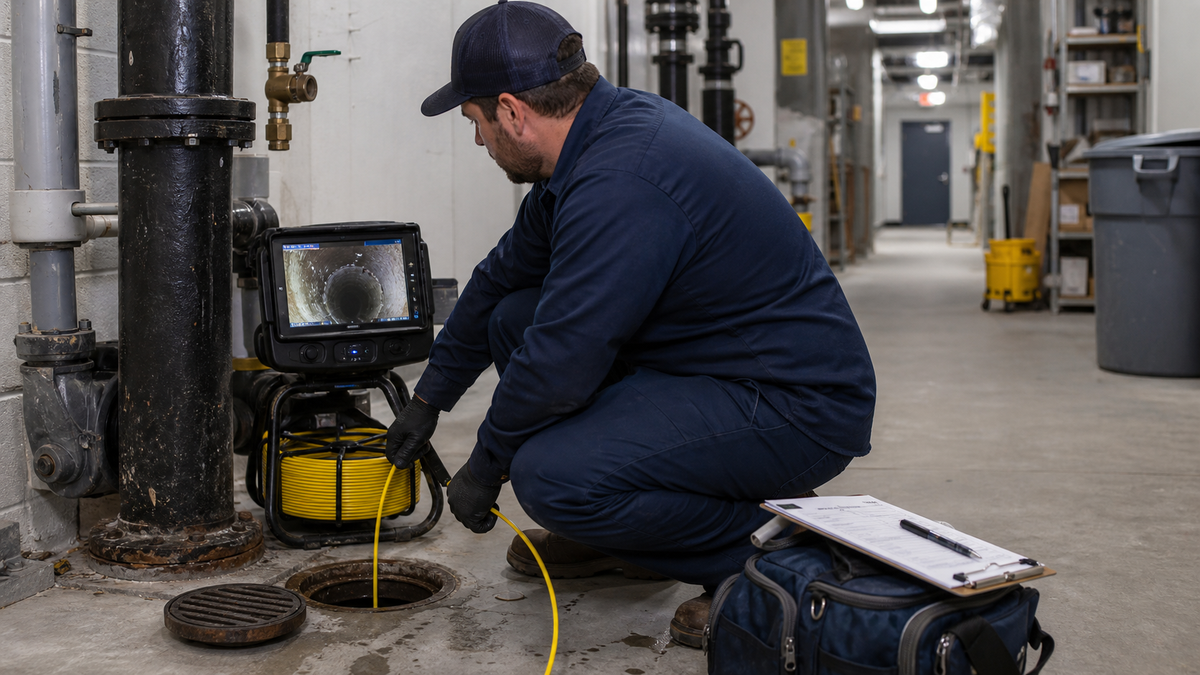
Para un administrador de propiedades, un problema de desagüe no es solo un problema de tuberías. Es una queja de un residente, un ticket de mantenimiento, un posible riesgo de daños por agua y un costo que puede repetirse si la causa nunca se documenta. La guía de la EPA sobre el moho dice que la clave para el control del moho es el control de la humedad y que las áreas dañadas por el agua deben secarse dentro de las 24 a 48 horas para ayudar a prevenir el crecimiento de moho. Esto convierte las quejas repetidas sobre desagües de baños, cocinas, lavanderías y desagües de piso en un problema de gestión de riesgos, no solo en un inconveniente de mantenimiento.

Por qué las quejas repetidas sobre desagües necesitan una respuesta diferente
Un fregadero atascado una sola vez puede manejarse como una orden de trabajo normal. Un atasco repetido de la misma unidad, columna, desagüe de piso o línea de cocina compartida debe tratarse como un patrón. Si la línea tiene acumulación de grasa, sarro, agua estancada, una junta defectuosa u objetos extraños, la limpieza rutinaria puede restablecer el síntoma sin arreglar la causa.
La guía de limpieza de desagües de HomeGuide de 2026 enumera los costos de desatasco de fontaneros de $100 a $275 para un fregadero o inodoro y de $175 a $800 para un desagüe principal de alcantarillado. También señala que las tarifas de emergencia fuera del horario laboral suelen ser de 2 a 3 veces el precio estándar. Para un administrador de propiedades, las llamadas a ciegas repetidas pueden resultar más caras que poseer una herramienta de inspección de primera pasada.
Las imágenes de la cámara transforman la orden de trabajo del lenguaje de la queja a la evidencia. El equipo puede ver si el problema es un mal uso por parte del inquilino, la infraestructura del edificio, una línea compartida o una reparación que necesita un fontanero autorizado.
↑ Volver arribaDónde ayuda más la inspección con cámara en una propiedad
Las áreas de mayor valor son las líneas de cocina compartidas, los grupos de baños, las tuberías verticales de lavandería, los registros de limpieza del sótano, los desagües de piso de las salas de servicios públicos y los registros de limpieza principales que dan servicio a múltiples unidades. En edificios comerciales pequeños, las cocinas pequeñas y los baños públicos también son puntos comunes de problemas recurrentes.
Forbes Advisor resume los datos del Insurance Information Institute que muestran que los daños por agua y la congelación representan el 24% de las reclamaciones de seguros de propietarios de viviendas, con un pago promedio de reclamación de $12,514. Un administrador de propiedades puede no utilizar la misma estructura de póliza que un propietario, pero la lógica de riesgo es similar: los eventos de agua se vuelven costosos rápidamente cuando afectan acabados, gabinetes, pisos, paredes o unidades adyacentes.
Una cámara no puede detener todas las obstrucciones, pero puede ayudar a identificar la línea que repetidamente crea riesgo antes de la próxima llamada que ocurre fuera del horario de atención.
↑ Volver arribaQué deben buscar los equipos de mantenimiento en las imágenes
Busque anillos de grasa, lodos pesados, sarro, agua estancada, grietas, desniveles y escombros que se acumulan en la misma conexión de ramal. También esté atento a toallitas, objetos extraños, escombros de construcción y materiales de mejora de inquilinos después de las renovaciones.
Las imágenes deben responder a una pregunta práctica: ¿está esta línea sucia, dañada, mal utilizada o mal inclinada? Una línea sucia puede necesitar una limpieza programada. Una línea dañada o hundida necesita un presupuesto de reparación. El mal uso puede requerir educación y documentación del residente. Una línea mal inclinada puede necesitar una reparación importante en lugar de otra orden de servicio.
La EPA enfatiza la solución del problema del agua, no solo la limpieza del moho visible. Para los equipos de propiedad, el mismo principio se aplica a los desagües: arreglar la condición de la tubería o el patrón de uso que crea el evento húmedo repetido.
↑ Volver arribaCómo crear un flujo de trabajo de inspección simple
Comience con las líneas problemáticas que se repiten con más frecuencia en lugar de inspeccionar todos los desagües a la vez. Para cada inspección, registre el edificio, la unidad o el área común, el punto de acceso, la fecha, la distancia del cable, el hallazgo, la acción tomada y el nombre del archivo de video. Guarde las imágenes de antes y después cuando se realice la limpieza.
Utilice una lista de desencadenantes simple: inspeccione después de dos quejas de la misma línea en 90 días, después de cualquier respaldo de aguas residuales, antes de reabrir una unidad después de daños por agua y antes de trabajos importantes de mejora de inquilinos que puedan afectar los desagües. Agregue revisiones trimestrales o semestrales para las columnas problemáticas conocidas.
Este flujo de trabajo no se trata de hacer que el personal de mantenimiento realice reparaciones de fontanería con licencia. Se trata de darles un registro de diagnóstico para que los fontaneros externos, los propietarios y los residentes vean la misma evidencia. HomeGuide señala que el servicio de desagüe de emergencia puede costar de 2 a 3 veces el servicio estándar, por lo que trasladar los problemas repetidos a la inspección programada tiene un valor operativo real.
↑ Volver arribaModelo de ajuste de Powerwill y lógica de ROI B2B
Para los equipos de propiedades, el valor de una cámara radica en su reutilización. La misma unidad puede inspeccionar apartamentos, baños de áreas comunes, lavanderías, cuartos de máquinas, desagües de piso y pequeños espacios comerciales para inquilinos en múltiples edificios. Si una llamada de emergencia por un desagüe puede costar varios cientos de dólares, y el servicio fuera del horario laboral puede multiplicar la tarifa, una cámara que evite incluso unas pocas llamadas a ciegas puede justificarse rápidamente.
La guía oficial de selección de Powerwill enumera el L09D1 desde $799 con una pantalla de 9 pulgadas, DVR autonivelante, contador de distancia, soporte para localizador de 512 Hz, una varilla de empuje delgada de 5 mm y opciones de cable de hasta 164 pies para líneas residenciales de 2 a 6 pulgadas. Eso lo convierte en una herramienta práctica de inspección de primera pasada para equipos de mantenimiento de apartamentos y edificios pequeños.
Para propiedades más grandes, tuberías principales más largas o uso estilo contratista, Powerwill lista el 10DX1 desde $1,399 en la guía de selección, con hasta 264 pies de cable para líneas de alcantarillado principales de 2 a 12 pulgadas. En comparación con los sistemas profesionales premium que pueden costar varios miles de dólares, la decisión del comprador se centra en si su equipo necesita documentación repetida más que un diagnóstico subcontratado ocasional.
Un modelo de ROI simple es suficiente para la mayoría de los propietarios. Cuente cuántas llamadas de desagüe dignas de cámara tuvo la propiedad en los últimos 12 meses, luego separe las llamadas en horario regular de las llamadas de emergencia. Si su equipo puede usar un L09D1 en tres o cuatro edificios y evitar incluso dos visitas de diagnóstico fuera de horario, la cámara comienza a parecer menos una compra de herramienta y más un gasto operativo controlable. También crea documentación que puede reutilizarse con proveedores, en discusiones sobre seguros, informes de propietarios y comunicación con residentes.
La decisión de compra también debe considerar la habilidad del personal. Un técnico de mantenimiento no necesita convertirse en fontanero para usar una cámara de manera responsable. La tarea es registrar líneas accesibles, identificar hallazgos obvios, etiquetar las imágenes y escalar cuando el video muestre daños, aguas residuales o una reparación sensible al código. Ese flujo de trabajo limitado es exactamente donde un sistema de inspección de precio medio puede generar valor sin fomentar reparaciones peligrosas de bricolaje.
↑ Volver arribaCuándo llamar a un fontanero o a un equipo de remediación
Llame a un fontanero autorizado cuando las imágenes muestren tuberías agrietadas, juntas desalineadas, respaldo activo de aguas residuales, una línea que da servicio a múltiples unidades o cualquier reparación que requiera el cumplimiento del código. Solicite ayuda de remediación cuando el agua haya afectado paredes, pisos, gabinetes o materiales porosos. La guía de la EPA aclara el momento: los materiales húmedos deben secarse dentro de las 24 a 48 horas para reducir el riesgo de moho.
Utilice las imágenes para que la ayuda externa sea más rápida y precisa. Un fontanero que sabe que el problema está a 32 pies del registro de limpieza del sótano puede planificar mejor que uno que llega ante una queja vaga sobre desagües lentos.
↑ Volver arribaPuntos clave
- Las quejas repetidas necesitan pruebas, no otro reinicio a ciegas. Si la misma línea genera tickets repetidos, las imágenes de la cámara ayudan a separar los problemas de acumulación, daños, mal uso y líneas compartidas.
- Los problemas de desagüe pueden convertirse en un riesgo de daños por agua. Tanto la guía de humedad de la EPA como los datos de seguros apuntan a la misma realidad operativa: los materiales de construcción húmedos deben manejarse rápidamente.
- Basta con una sencilla lista de desencadenantes de inspección. Comience con las líneas repetidas, los atascos, la rotación de inquilinos en unidades problemáticas y la verificación posterior a la limpieza en lugar de sobredimensionar el programa.
- El Powerwill L09D1 es una herramienta práctica de primera pasada para propiedades. Sus especificaciones oficiales (pantalla de 9 pulgadas, DVR, contador de distancia, autonivelación, soporte de 512 Hz y hasta 164 pies de cable) se adaptan a muchas líneas de apartamentos y edificios pequeños.
- El ROI mejora en múltiples propiedades. La misma cámara puede dar soporte a muchos edificios, lo que hace que la economía sea diferente a la compra de una única herramienta para un propietario.
Preguntas frecuentes
¿Puede el personal de mantenimiento utilizar una cámara de alcantarillado?
Sí, para inspección y documentación accesible. Las reparaciones, los espacios confinados, la exposición a aguas residuales y el trabajo sensible a códigos aún deben ser realizados por profesionales calificados.
¿Con qué frecuencia debe una propiedad inspeccionar los desagües?
Comience con las líneas problemáticas recurrentes trimestralmente o después de quejas importantes. Las líneas estables solo pueden necesitar revisiones periódicas vinculadas a la rotación o a riesgos estacionales conocidos.
¿Ayudan las imágenes a obtener presupuestos de fontanería?
Sí. Un fontanero puede presupuestar y priorizar mejor cuando la propiedad proporciona las imágenes, el punto de acceso, la distancia y el historial de síntomas.
¿Qué modelo de Powerwill se adapta a apartamentos y edificios pequeños?
El L09D1 es el primer modelo práctico a comparar porque Powerwill lo incluye para líneas residenciales de 2 a 6 pulgadas, con DVR, contador de distancia, autonivelación y soporte de 512 Hz.
¿Cuándo debería una propiedad elegir el 10DX1?
Elija el 10DX1 cuando el equipo necesite mayor alcance, cobertura de línea principal más grande o inspecciones más frecuentes estilo contratista en propiedades más grandes.
¿Cómo reduce esto el coste de las emergencias?
Ayuda a trasladar parte del trabajo de la adivinación fuera de horario al diagnóstico programado. HomeGuide señala que el servicio de drenaje de emergencia puede costar de 2 a 3 veces las tarifas estándar.
¿Pueden las grabaciones ayudar en disputas con los residentes?
Sí. Las imágenes claras pueden mostrar si el problema parece ser un mal uso, infraestructura del edificio o una condición no concluyente que necesita un fontanero autorizado.
Un próximo paso práctico
Si los problemas de desagüe recurrentes le están costando tiempo, dinero o confianza, compare la colección de cámaras de alcantarillado Powerwill. Comience con el diámetro de la tubería, la longitud de la línea, el punto de acceso y si necesita soporte de localización de 512 Hz, luego elija el sistema más pequeño que le brinde imágenes claras e información de distancia utilizable.
Comments
No comments