
Does a Home Inspection Include the Sewer Line? What Buyers Should Know
 Michael Carter
0 comments
Michael Carter
0 comments
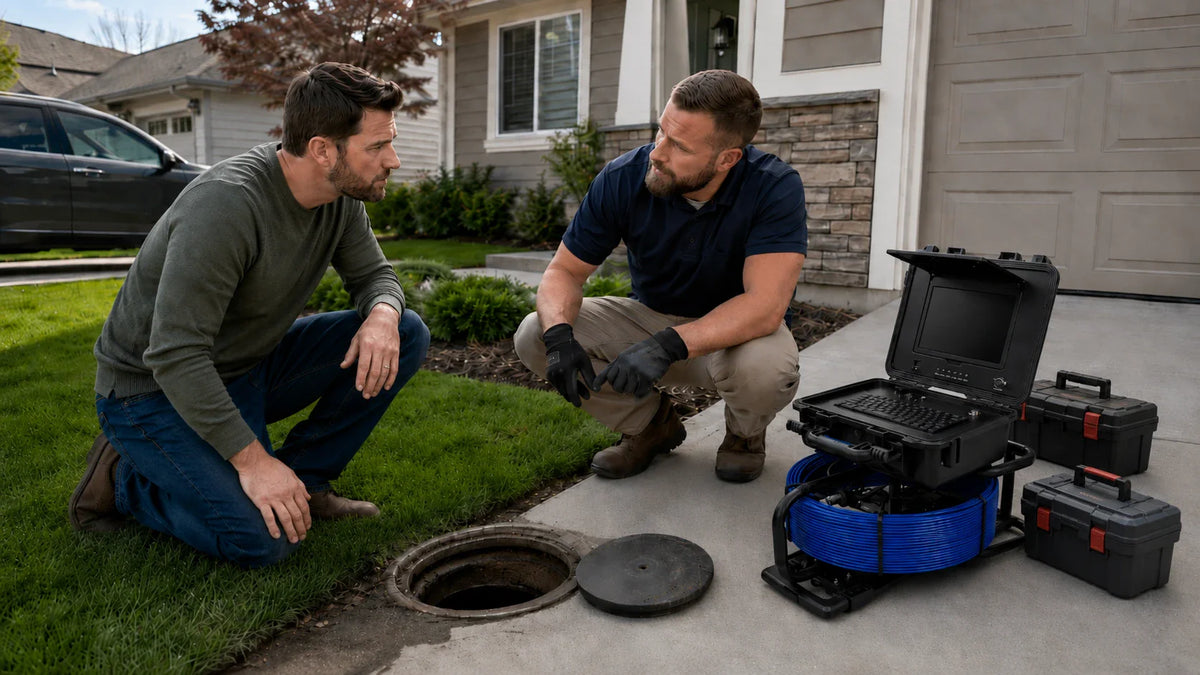
Usually no. A standard home inspection covers accessible systems inside the home, but a dedicated sewer scope is typically a separate add-on when buyers want proof of what is happening in the private lateral line before closing. InterNACHI's October 2022 Home Inspection Standards of Practice says a home inspection is a non-invasive visual exam of accessible areas, and it specifically says inspectors are not required to inspect underground items or wastewater treatment systems. By contrast, InterNACHI's Sewer Scope Standards treat sewer scoping as its own video inspection of the lateral line. That distinction matters because Angi's April 6, 2026 cost guide says sewer line camera inspections average $996 per visit, and This Old House's current sewer replacement guide says replacement averages $3,320. Buyers should know whether the line was actually scoped before the repair risk becomes theirs.
Why Standard Home Inspections Usually Stop Short of the Sewer Line
A normal home inspection is designed to review accessible, visible parts of the property on the inspection date. InterNACHI's home-inspection standards say inspectors check interior plumbing fixtures, functional drainage at sinks, tubs, and showers, and the drain-waste-vent system. Those same standards also say inspectors are not required to inspect underground items, wastewater treatment systems, or anything outside the published scope.
That is why the answer to this keyword is usually “no” unless the agreement specifically includes a sewer scope. The house can pass a standard inspection while the buried lateral line still has roots, standing water, an offset joint, or a partial collapse that no one actually camera-scoped.
For buyers, the practical takeaway is simple: do not assume “plumbing looked fine” means the sewer line was video inspected. Ask whether a sewer scope was ordered, where the camera started, and whether the report includes video plus a written summary.
Back to topWhen Buyers Should Order a Sewer Scope Anyway
Even when a seller has provided a standard home inspection, a sewer scope still makes sense in several common situations. Angi says inspections are recommended before buying or selling a home, and that regular camera checks are especially valuable for older homes or properties with large trees nearby.
Buyers should push harder for the add-on when the home is older, the yard has mature trees, the property has had backups or slow drains, or the cleanout location suggests a longer buried run. Those are exactly the situations where an expensive line problem can stay invisible until after closing.
If you want a baseline on what a sewer scope includes before you order one, Powerwill already has two useful companion reads: What Is a Sewer Scope Inspection? A Homebuyer's Complete Guide and Pre-Purchase Sewer Inspection: What Every Homebuyer Must Ask (And Why).
Back to topWhat a Sewer Scope Can Confirm and What It Cannot
InterNACHI's sewer-scope standards define the job as a video inspection of the lateral sewer line from the house at or near the foundation to the tap or septic tank. The standards also require the inspector to record the full video when possible, provide it to the client, and note any areas that were not inspected.
| Question | What a scope can do | What it cannot guarantee |
|---|---|---|
| Is there a visible defect today? | Yes. InterNACHI says scopes should report visible cracks, root intrusion, offsets over 1/4 inch, standing water over 1 inch, blockages, crushed or broken pipe, separation, excessive grease, and collapse. | No camera can predict every future failure after the inspection date. |
| Was the full line reached? | Sometimes. The report should state what portions were inspected and what portions were not. | If access is blocked or a cleanout is missing, coverage may be partial. |
| Can the buyer negotiate from the result? | Yes, if the video and written notes clearly describe the location and severity of the finding. | The scope itself does not provide repair-cost estimates. |
This is why documentation quality matters. A vague verbal comment is weaker than a report that says the camera reached the line, where it stopped, and what material defects were visible on that date.
Back to topWhat Buyers Should Budget If the Line Is Not Included
Buyers should budget for the possibility that the sewer line is a separate inspection and that the follow-up repair math can change fast. Angi says sewer line camera inspections cost $271 to $1,727 per visit on average, with most 50-to-100-foot standard home lines landing around $250 to $400. Angi also says recording or reports often add $50 to $150, and locating or marking problem spots adds another $40 to $100.
If the scope finds a real structural defect, the next number is much larger. HomeGuide's December 22, 2025 guide says sewer line repairs run about $150 to $3,800, while replacement often falls between $2,000 and $10,000. This Old House puts the current average replacement cost at $3,320, with many homeowners paying between $1,390 and $5,320.
That is why buyers should ask the seller for the scope before waiving contingencies when the property profile suggests elevated risk. A few hundred dollars in due diligence can be a small number compared with a buried post-closing repair.
Back to topWhere Powerwill Fits After Closing
For a one-time purchase decision, hiring a qualified pro for the pre-closing scope is usually still the cleanest move. But after closing, the economics may change if the home is older, the property has recurring drainage issues, or you want your own visual proof before paying for every follow-up service call.
The current Powerwill PW9D1 page lists 65-foot, 100-foot, and 165-foot options with locator-ready packages, a 9-inch IPS monitor, self-leveling camera, IP68 waterproof head, meter markings, and optional 512Hz locating. Powerwill positions the 100-foot version for “Most Homes,” which makes it a credible ownership option once you are managing the property rather than evaluating it for the first time.
If you want to understand the next step after a professional pre-purchase scope, read How to Inspect Your Sewer Line Like a Pro and the Powerwill sewer camera selection guide. Those are better follow-ups than guessing from a single inspection invoice.
Back to topKey Takeaways
- A standard home inspection usually does not include a dedicated sewer scope. Buyers should verify whether the lateral line was actually video inspected instead of assuming general plumbing comments cover it.
- Sewer scopes matter most when the property profile suggests buried risk. Older homes, mature trees, backup history, and long yard runs are all good reasons to add the inspection before closing.
- A sewer scope is strongest when it produces usable evidence. Buyers want the full video, a written summary, and a clear note showing what portions were and were not inspected.
- The inspection cost is small compared with repair exposure. Camera inspections often cost a few hundred dollars, while repair or replacement can move into the thousands very quickly.
- Powerwill becomes more relevant after closing than before it. For one purchase decision, hire the scope out; for repeated follow-up checks as an owner, a locator-ready camera can start making financial sense.
FAQ
Does a home inspection include the sewer line by default?
Usually no. A standard home inspection covers accessible home systems, but a dedicated sewer scope is commonly a separate specialty inspection unless the agreement specifically adds it.
When should a buyer add a sewer scope?
Add one when the home is older, the yard has mature trees, drains have a backup history, or you simply want proof of the lateral line condition before contingencies expire.
How much does a sewer scope usually cost?
Angi says sewer camera inspections average $996 per visit overall, but many standard 50-to-100-foot home inspections land around $250 to $400 depending on access, reporting, and add-ons.
Can a sewer scope tell me exactly what repairs will cost?
No. The camera can document visible defects, but the inspector is not required to provide repair-cost estimates. You still need bids if the footage shows a structural problem.
Should I buy my own sewer camera before closing?
Usually not for a one-time purchase decision. Hiring a professional scope is cleaner for due diligence, while ownership makes more sense after closing if you expect repeated follow-up inspections.
Conclusion
If you are buying a home and asking whether the standard inspection includes the sewer line, assume the answer is no until someone shows you the actual scope order, video, and written report. That assumption will save you from treating a buried system like it was already checked when it probably was not.
If you are already thinking beyond the purchase and toward long-term ownership, start with a professional scope now, then compare post-closing options in the Powerwill sewer camera lineup only if the house profile suggests repeated inspect-before-repair checks will be worth it.
Back to top
Comments
No comments