
Cámara de inspección con luz: ¿cuántos LED necesitas realmente?
 Michael Carter
0 comments
Michael Carter
0 comments
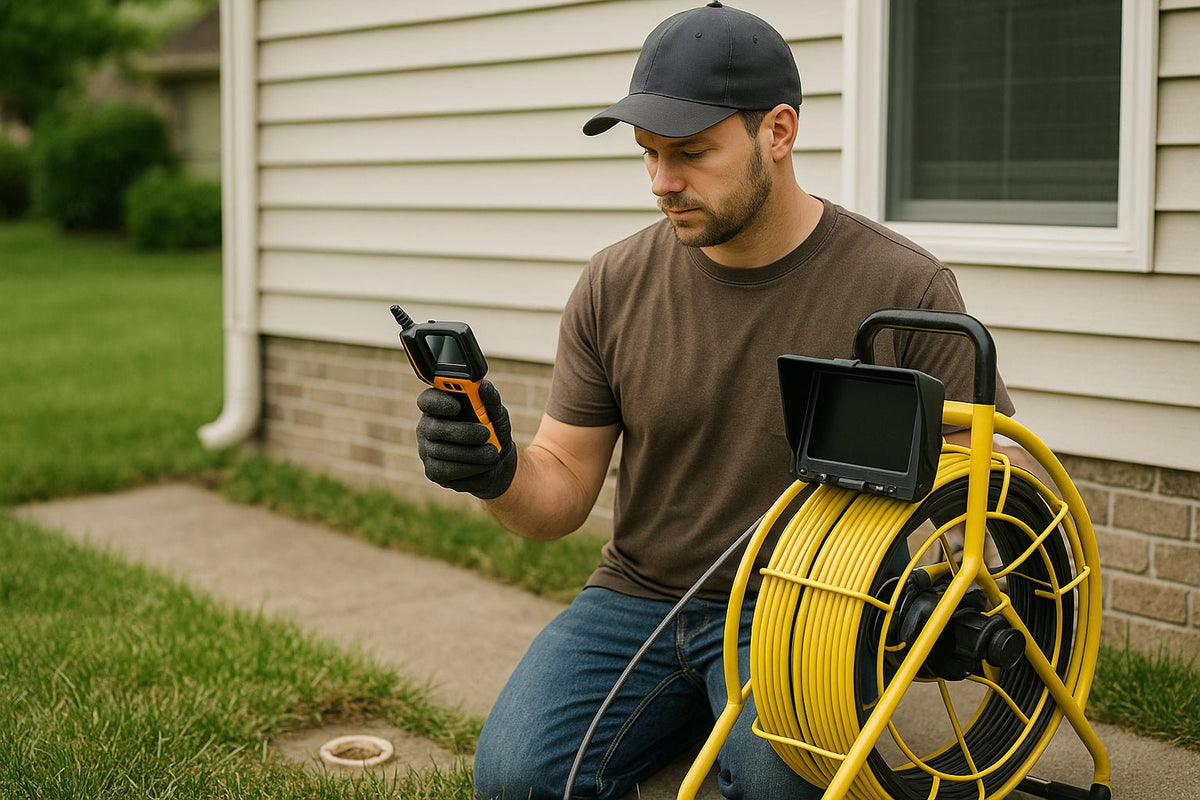
La cantidad correcta de LED en una cámara de inspección con luz depende menos de presumir y más del trabajo que se intenta realizar. La micro CA-150 de RIDGID utiliza 4 LED con brillo ajustable para inspecciones de corto alcance, mientras que el endoscopio de doble lente DS300 de DEPSTECH utiliza 7 luces LED en un cable de 16.5 pies, y la cámara de alcantarillado L09D2 de Powerwill utiliza 12 LED regulables para largos recorridos en tuberías mojadas. Eso por sí solo le da la respuesta honesta: no se compran LED de forma aislada. Se compra una configuración de iluminación que se adapte a la distancia, la reflectividad de la superficie, el tamaño del cabezal de la cámara y si se está inspeccionando una cavidad de pared, un conducto o una línea de drenaje.

Por qué "más LED" es la pregunta incorrecta al principio
El primer error que cometen los compradores es asumir que más LED siempre significa una mejor imagen. En la práctica, una cámara de inspección funciona en un espacio pequeño y reflectante. Si el objeto está a solo unos centímetros de distancia, demasiada luz puede anular los detalles en lugar de revelarlos. Si el espacio está mojado, el problema del deslumbramiento empeora. Si la cámara está más lejos del objetivo, es posible que necesite más luz o un mejor ángulo de la lente, pero la cantidad de LED por sí sola no garantiza un contraste útil.
Por eso, los fabricantes de productos combinan diferentes cantidades de luz con diferentes tareas. La micro CA-150 de RIDGID utiliza 4 LED ajustables en un cabezal impermeable de corto alcance porque está diseñada para inspecciones cercanas, no para empujar 100 pies a través de una línea fangosa. La pregunta del comprador debería ser: ¿a qué distancia está la cámara de lo que necesito ver?
Una vez que se hace esa pregunta, la conversación sobre los LED se vuelve mucho más clara. Los trabajos en cavidades cortas, las revisiones debajo del fregadero y los alojamientos de equipos a menudo necesitan luz controlada más que mucha luz. Los trabajos en tuberías largas a menudo necesitan más iluminación total y un mejor ajuste porque la cámara tiene que atravesar la oscuridad, la humedad y los escombros.
Volver arribaCómo es realmente el mercado actual
| Producto | Configuración de LED | Cable / caso de uso |
|---|---|---|
| RIDGID micro CA-150 | 4 LED con brillo ajustable | Cámara de inspección de corto alcance para controles visuales cercanos |
| DEPSTECH DS300 | 7 luces LED | Boroscopio de consumo semirrígido de doble lente de 16.5 pies |
| DEPSTECH DS620TL | 10 LED ajustables (8+1+1) | Endoscopio de inspección de triple lente de 16.5 pies para tareas mixtas |
| Boroscopio Powerwill M0702 | 6 LED ajustables | Boroscopio de 16 o 32.8 pies para trabajos de acceso más ajustado |
| Powerwill 7DH2 | 6 LED frontales + 6 LED laterales | Inspección de tuberías y drenajes con doble cámara de 66 pies |
| Powerwill L09D2 | 12 LED regulables | Inspecciones de alcantarillado y tuberías de 64 a 230 pies |
Esta tabla indica que no existe un número mágico universal. La cantidad de LED aumenta con el alcance del cable, la orientación de la lente y la oscuridad del entorno previsto. También cambia cuando una cámara añade una lente lateral o rota, porque la luz debe soportar más de un ángulo de visión.
El boroscopio M0702 de Powerwill es un buen ejemplo de iluminación adecuada para la tarea. Utiliza 6 LED ajustables para trabajos tipo boroscopio más cortos. El 7DH2 duplica esa cantidad a 6 LED frontales más 6 LED laterales porque el trabajo de drenaje con doble cámara es un problema visual diferente. El L09D2 utiliza 12 LED regulables porque los largos tramos de tuberías residenciales y para contratistas, que suelen estar mojadas, exigen una iluminación más estable.
Volver arribaCómo adaptar la cantidad de LED al trabajo
Para las revisiones de corto alcance en el hogar, detrás de paredes, dentro de electrodomésticos, debajo de lavabos o en compartimentos de motores, 4 a 7 LED suelen ser suficientes cuando el cabezal de la cámara permanece cerca del objeto. Ese es el mundo de los boroscopios cortos, donde el control del cable y el enfoque de la imagen suelen importar más que una luminosidad de inundación.
Para trabajos mixtos de propietarios y contratistas, especialmente cuando la herramienta puede mirar dentro de desagües, conductos, rutas de ventilación y cavidades húmedas, la zona intermedia de aproximadamente 6 a 10 LED se vuelve más útil. El DS620TL de DEPSTECH utiliza 10 LED ajustables en múltiples lentes porque la herramienta tiene que adaptarse a más de una distancia y ángulo de visión.
Una vez que el trabajo se convierte en una verdadera inspección de tuberías, el requisito de luz aumenta porque la cámara está más lejos del objetivo y el ambiente es más oscuro, húmedo y sucio. Es por eso que las cámaras de alcantarillado de largo alcance como la 7DA y la L09D2 de Powerwill usan 12 LED regulables. Están iluminando una escena de tubería más grande, no una pequeña cavidad de pared a solo unos centímetros de distancia.
Volver arribaLas características que importan más que solo la cantidad de LED
Si solo comparas la cantidad de LED, te pierdes las características que deciden si la imagen es realmente útil. El brillo ajustable importa porque la misma cámara puede pasar de PVC seco a hierro fundido mojado o de un codo apretado a un desagüe más grande. La clasificación de impermeabilidad importa porque un ambiente húmedo cambia la forma en que se refleja la luz. El ángulo de la lente importa porque un campo de visión amplio puede revelar más con la misma salida de luz.
La gama actual de productos Powerwill lo demuestra claramente. La 7DA y la 7DVE combinan 12 LED ajustables con una lente de 120 grados y protección IP68. La 7DH2 añade iluminación frontal y lateral porque la cobertura angular es una ventaja mayor que simplemente añadir otro anillo de luz genérico.
Si está eligiendo entre un endoscopio de inspección corto y una cámara de tuberías, comience por adaptar el trabajo primero. Una vez que el trabajo sea correcto, la respuesta sobre los LED suele ser obvia.
Volver arribaPuntos clave
- La cantidad de LED solo ayuda cuando coincide con la distancia, el nivel de humedad y el ángulo de la cámara del trabajo de inspección.
- Las herramientas de inspección de corto alcance a menudo funcionan bien con 4 a 7 LED, mientras que los boroscopios de uso mixto y las herramientas de tuberías más largas tienden a necesitar más.
- Los ejemplos del mercado muestran que no hay un número ideal universal porque los fabricantes de productos ajustan la iluminación al alcance del cable, la cantidad de lentes y el entorno.
- El ajuste del brillo, la impermeabilización, el ángulo de la lente y la cobertura de doble cámara importan al menos tanto como la cantidad de LED en bruto.
- Para una inspección real de tuberías, un sistema de 12 LED regulables como las cámaras de alcantarillado residenciales de Powerwill suele ser una mejor opción que un endoscopio corto con menos luces.
Preguntas frecuentes
¿Más luz LED siempre es mejor en una cámara de inspección?
No. Demasiada luz a corta distancia puede anular los detalles, especialmente en superficies húmedas o reflectantes. Un control útil importa más que el número más grande.
¿Cuántos LED son suficientes para un boroscopio de uso doméstico?
Para muchas tareas de corto alcance, 4 a 7 LED son suficientes cuando la cámara permanece cerca del objetivo. El trabajo se vuelve más difícil cuando el cable se alarga o el entorno se humedece.
¿Por qué las cámaras de alcantarillado suelen utilizar 12 LED o más?
Porque inspeccionan espacios más oscuros, grandes y húmedos a distancias mucho mayores. Necesitan más iluminación y un mejor control de brillo que un endoscopio corto de pared o motor.
¿Necesito brillo ajustable?
Sí, si desea imágenes más legibles en diferentes superficies y condiciones de tuberías. El brillo ajustable es una de las formas más fáciles de evitar el deslumbramiento y preservar los detalles.
¿Qué cámara Powerwill debo considerar si necesito una iluminación más potente para trabajos en tuberías?
Las L09D2, 7DA y 7DVE son puntos de partida prácticos porque combinan iluminación LED ajustable con cabezales impermeables y un alcance real para inspección de tuberías. Elija la que se adapte a la longitud de su línea y si necesita localización.
Conclusión
La respuesta honesta sobre los LED es que no se compra una cámara de inspección contando las bombillas. Se compra adaptando el control de la iluminación al lugar donde la cámara realmente funcionará.
Si su trabajo pasa de simples vistazos cortos a un verdadero diagnóstico de tuberías, comience con la línea de cámaras de alcantarillado de Powerwill y elija el modelo cuya iluminación, alcance e impermeabilización coincidan con el trabajo de inspección, en lugar de la afirmación de LED más llamativa.
Volver arribaFuentes
- Cámara de inspección RIDGID micro CA-150
- Endoscopio de doble lente DEPSTECH DS300
- Cámara de inspección de triple lente DEPSTECH DS620TL
- Cámara boroscópica Powerwill M0702 con luz
- Cámara de alcantarillado Powerwill 7DH2
- Cámara de inspección de alcantarillado Powerwill L09D2
- Cámara de alcantarillado Powerwill 7DA
- Cámara de alcantarillado Powerwill 7DVE
Comments
No comments