
Snake Camera for Plumbing: The Pro's Tool Every Serious Homeowner Should Know
 Michael Carter
0 comments
Michael Carter
0 comments
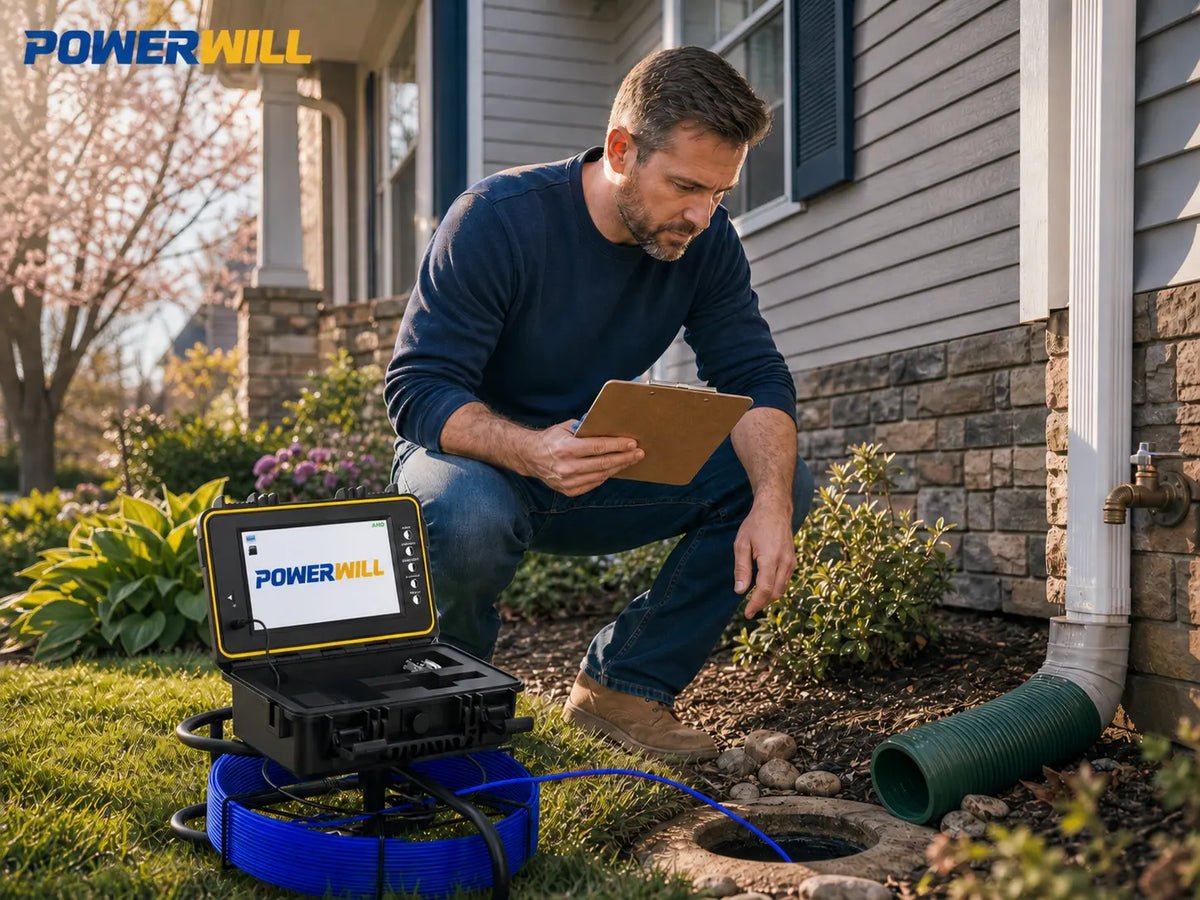
A snake camera for plumbing is a waterproof inspection camera on a push cable that lets you see what is actually inside a drain or sewer line before you pay for repair work. That matters because Angi's 2026 sewer camera inspection guide says homeowners typically spend from $271 to $1,729 per visit, with shorter 50-to-100-foot residential lines often landing around $250 to $400. If you are a serious homeowner dealing with repeat backups, an older home, or a home purchase, the real value of a plumbing camera is not the gadget itself. It is the ability to inspect before repair and stop making expensive decisions based on symptoms alone.

What People Actually Mean by 'Snake Camera for Plumbing'
Most homeowners use the phrase snake camera for plumbing to describe a drain or sewer camera that travels through a pipe the way a cable snake does. That wording is understandable, but it helps to separate the tools. A drain snake is for clearing a blockage. A plumbing camera is for seeing the blockage, the pipe wall, and the exact condition of the line before or after clearing.
That difference matters because a camera changes the quality of the decision you make next. InterNACHI's sewer scope standards define the job as a video inspection of the lateral line to discover visible material defects. In plain English, the camera helps you tell the difference between grease, roots, offsets, standing water, scale, and a line that simply needs cleaning.
Serious homeowners tend to outgrow cheap phone-style scopes quickly. A true plumbing camera uses a tougher push cable, a waterproof head, and enough reach to get past the first few feet of pipe. That is why the category overlaps with what pros use, even when the buyer is still a homeowner.
Back to topWhen a Serious Homeowner Should Step Up to a Real Camera
The best time to step up to a real plumbing camera is when the same pipe problem keeps coming back or the repair decision is expensive enough that guessing becomes reckless. Think recurring main-line backups, a house with mature trees near the lateral, a home with old cast iron or clay, or a pre-purchase inspection where you want proof before negotiating.
HomeGuide's sewer camera inspection cost guide says many inspections fall in the $100 to $800 range depending on line length and difficulty, while Angi's 2026 data shows the range can stretch far higher when the visit includes longer runs or added services. Even if you never buy a camera, those pricing realities explain why homeowners want to understand the line before approving another service call, excavation, or liner proposal.
A serious homeowner also thinks differently about documentation. Once you can record the footage, note the distance, and review the line calmly later, you are no longer relying on a single verbal summary from the person standing at the cleanout. That shifts the conversation from 'trust me' to 'show me.'
The Specs That Matter More Than the Word 'Snake'
The word snake does not tell you whether the tool is actually useful. The real buying questions are cable length, camera head size, waterproof rating, lighting, and whether the system records or locates. Powerwill's selection guide positions the PW9D1 as a slim 5 mm, 65-to-164-foot system for roughly 2-inch to 6-inch residential lines, and the 10DX1 as a 196-to-264-foot option for longer 2-inch to 12-inch mains. Those are very different jobs.
For most serious homeowners, the middle of the market is where the value lives. The Powerwill PW9D1 product page currently lists a 9-inch IPS screen, IP68 self-leveling head, 100-foot 5 mm fiberglass cable, and 12 adjustable LEDs. The Powerwill 7DA adds a 512Hz locator-ready workflow, 12 dimmable LEDs, and a 120-degree lens. Those features are not spec-sheet fluff. They directly affect whether you can see, document, and physically find the problem later.
The short version is this: if your line question ends in 'where is it?' or 'what exactly am I looking at?', buy for evidence quality, not for the cheapest camera that happens to fit into a pipe.
Back to topWhat a Homeowner Can Inspect and When to Hand Off to a Pro
A homeowner can learn a lot with a real plumbing camera, especially when the house already has a cleanout and the line is a typical residential branch or main. You can confirm whether a line is open after snaking, check whether roots or scale are returning, see if standing water suggests a belly, and gather enough footage to get smarter bids from plumbers.
What you should not do is force the camera through undersized bends, yank it backward under load, or treat a camera as a substitute for excavation planning or code-level diagnosis. Powerwill's professional buying guide frames the same reality for plumbers: reach, pipe diameter, and locating ability dictate the correct model because not every line is a simple homeowner run.
That is why the inspect-before-repair logic still wins. Use the camera to narrow the problem, save the footage, note the distance markers, and then call a pro with evidence when the repair becomes bigger than a cleaning or basic maintenance call. The homeowner advantage is not pretending to be the plumber. It is showing up to the repair conversation informed.
Back to topKey Takeaways
- A snake camera for plumbing is most useful when you need to see and document a pipe condition before approving expensive repair work.
- Recurring backups, older pipe materials, pre-purchase due diligence, and rental properties are the clearest homeowner cases for stepping up to a real camera.
- Cable length, waterproof rating, lighting, recording, and locating support matter more than the generic word snake in any product listing.
- A homeowner can verify many residential line issues through an accessible cleanout, but should still hand off excavation and complex diagnosis to a pro.
- Powerwill systems such as the PW9D1 and 7DA fit the inspect-before-repair workflow far better than a novelty scope with limited reach and weak documentation.
FAQ
Is a snake camera for plumbing the same as a drain snake?
No. A drain snake clears a blockage mechanically. A plumbing camera shows you what the blockage or pipe condition actually is.
Can a homeowner use a real plumbing camera?
Yes, especially if the house has an accessible cleanout and the goal is diagnosis, not pretending to replace a full plumbing crew. Many homeowner-friendly systems use portable reels and simple controls.
How much reach should a serious homeowner look for?
For many homes, about 65 to 100 feet is the useful starting range because it covers common residential runs. Longer mains and property-specific layouts can justify more.
Do I need a locator with my plumbing camera?
You need one when the next question is where to dig or where the defect sits underground. If the camera is only for confirming a clog or checking a short run, you may not.
Which Powerwill camera is the best fit for a homeowner?
The PW9D1 is a practical residential entry point, while the 7DA adds locator-ready capability for homeowners who want stronger repair-planning evidence. The better choice depends on reach and locating needs.
Conclusion
A serious homeowner does not buy a plumbing camera to play plumber. They buy it to make fewer blind decisions, ask better questions, and stop paying for the same uncertainty twice.
If your home keeps giving you drain symptoms without clear answers, start with the Powerwill sewer camera collection and choose the shortest system that still covers your real pipe runs with enough lighting and evidence to inspect before repair.
Back to top
Comments
No comments