
Cómo iniciar un negocio de inspección de alcantarillado con cámara en 2026: equipos, licencias y precios
 MichaelCarter
0 comments
MichaelCarter
0 comments
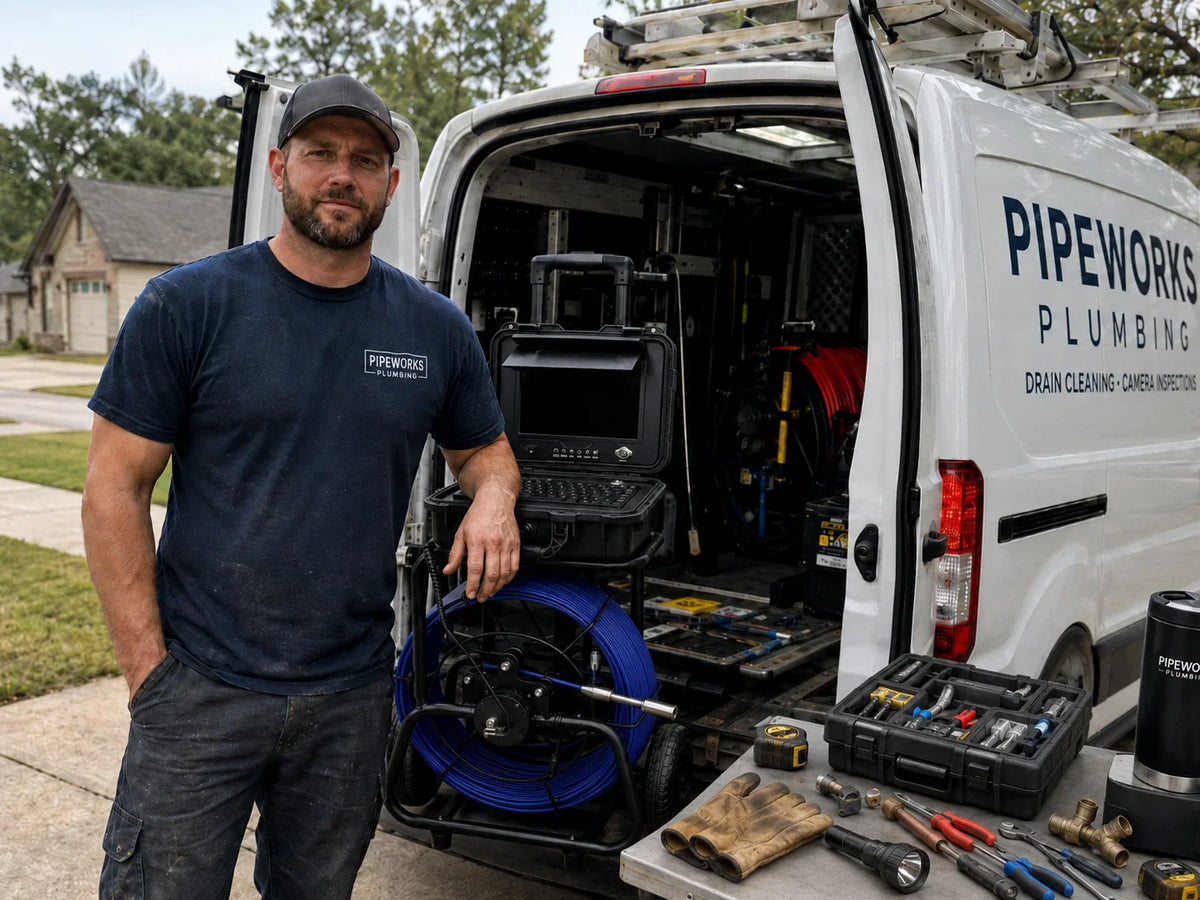
Iniciar un negocio de inspección de tuberías con cámara en 2026 significa construir un servicio de inspección legítimo, no solo poseer una cámara. El aspecto legal comienza con lo básico que el gobierno aún toma en serio: la SBA dice que la mayoría de las pequeñas empresas necesitan una combinación de licencias o permisos federales, estatales y locales, y el IRS dice que puedes obtener un EIN de forma gratuita directamente del IRS en minutos. El lado de los ingresos es igualmente concreto. Los datos de Angi de 2026 sitúan las inspecciones de tuberías con cámara para propietarios de viviendas entre $271 y $1,729 por visita, dependiendo de la longitud de la línea y la complejidad del servicio, mientras que HomeGuide dice que la inspección promedio suele ser de $125 a $500. Esa diferencia es la razón por la que este negocio funciona cuando se delimita y se cotiza correctamente. La oportunidad es real, pero solo si eliges el equipo adecuado, te mantienes dentro de tu carril de licencias y vendes la claridad de "inspeccionar antes de reparar" en lugar de promesas vagas.

La verdadera decisión al iniciar un negocio no es solo qué cámara comprar. Es cómo combinar la cámara con la configuración legal, el alcance del servicio y una política de precios que permita una rápida amortización.
Define el negocio que realmente vas a iniciar
El primer error al iniciar un negocio es decir "voy a iniciar un negocio de cámaras de alcantarillado" sin definir el límite del servicio. ¿Estás vendiendo inspecciones independientes para propietarios y compradores? ¿Estás utilizando inspecciones de video para alimentar trabajos de limpieza y reparación de drenajes? ¿Estás operando como subcontratista para fontaneros, limpiadores de drenajes o inspectores de viviendas? Cada modelo cambia tu equipo, tu riesgo y tu exposición a las licencias.
La propia guía de compra profesional de Powerwill enmarca la cámara como una decisión de negocio porque el alcance, la capacidad de localización y la cantidad que puedes cobrar por inspección se mueven juntos. Esa es la mentalidad correcta. Una cámara no es un inventario que está en un estante. Es la herramienta que hace que tu afirmación de venta sea creíble.
Para un operador nuevo, el punto de entrada más claro suele ser el trabajo de inspección primero en laterales residenciales accesibles, comprobaciones previas a la compra, diagnóstico de copias de seguridad repetidas y verificación posterior a la limpieza. Esos servicios te permiten vender pruebas visuales antes de agregar compromisos de excavación o reparación más complejos. Si intentas lanzar con todos los servicios posibles el primer día, generalmente gastarás demasiado en equipos y difuminarás tu alcance legal.
Equipo: Cuánto necesitas gastar realmente
Tu primera cámara debe coincidir con los trabajos que realmente vas a vender en los próximos seis meses, no con el trabajo más extremo que puedas imaginar. La guía de selección de Powerwill actualmente lista la L09D1 desde $399 y la 10DX1 desde $1,399, con la L09D1 destinada a líneas residenciales más pequeñas y la 10DX1 a trabajos de línea principal más largos. Esa brecha es suficiente para probar el punto: el equipo de inicio tiene niveles, y debes comprar según el modelo de servicio.
Para muchos nuevos operadores, un kit de inicio práctico es una cámara adecuada para uso residencial, ruedas de guía de repuesto, equipo de limpieza, EPP, elementos básicos de marketing y un flujo de trabajo de grabación confiable. Si tus presupuestos terminan regularmente con "¿dónde cavamos?", debes optar por una configuración lista para localizador de 512 Hz desde el principio porque ese paso de localización es parte del valor que estás vendiendo. Si tu servicio se mantiene solo de inspección, puedes retrasar algunos accesorios más pesados.
Aquí está la lógica de compra simple:
| Nivel de inicio | Mejor ajuste | Equipo típico | Por qué funciona |
|---|---|---|---|
| Básico | Inspecciones para compradores y propietarios de viviendas | Cámara clase L09D1, grabación, kit de limpieza | Menor costo inicial, más fácil de aprender, suficiente para trabajos residenciales comunes |
| Crecimiento | Residencial más trabajos de planificación de reparaciones | L09D2 o 7DA con autonivelación y localización de 512 Hz | Mejor para marcar defectos y aumentar las ventas de reparaciones específicas |
| Expandido | Tuberías principales más largas y trabajos de contratistas más pesados | Equipo clase 10DX1, flujo de trabajo de localización, mayor alcance de cable | Maneja trabajos más exigentes y casos de uso B2B más sólidos |
La cámara es la compra principal, pero el equipo de trabajo real incluye transporte, saneamiento, almacenamiento, clips de prueba de trabajo y una forma de enviar los resultados rápidamente. Los clientes recuerdan la claridad y la rapidez más que el número de modelo en el carrete.
Volver arribaLicencias, seguros y el carril en el que debes permanecer
La configuración legal no es glamurosa, pero es lo que evita que un trabajo secundario se convierta en una responsabilidad. La guía de licencias y permisos de la SBA dice que la mayoría de las pequeñas empresas necesitan una combinación de aprobaciones federales, estatales y locales. La palabra clave es combinación. Tus requisitos dependen de si solo estás inspeccionando, realizando trabajos de plomería, solicitando permisos o dando recomendaciones de reparación que cruzan la actividad comercial con licencia en tu jurisdicción.
El lado del IRS es más simple: puedes obtener un EIN directamente del IRS de forma gratuita, y esa suele ser la forma más limpia de separar el negocio de tu administración fiscal personal. Pero un EIN no es una licencia de fontanería, y no es un permiso para anunciar todos los servicios posteriores. Aún necesitas comprender las reglas de tu estado y municipio.
El seguro también importa. Un negocio de cámaras de alcantarillado toca la propiedad del cliente, puede producir recomendaciones que desencadenan reparaciones costosas y a menudo trabaja alrededor de espacios de arrastre, sótanos, registros y servicios públicos enterrados. Si añades localización, coordinación de excavación o excavación subcontratada a tus ofertas, también necesitas respetar las reglas de servicios públicos subterráneos. El programa nacional 811 todavía requiere el marcado de servicios públicos antes de excavar, y los estándares de seguridad de las zanjas se vuelven relevantes en el momento en que tu trabajo de inspección influye en las decisiones de terreno abierto.
El movimiento disciplinado al iniciar un negocio es permanecer en el carril de "inspección primero" hasta que tu configuración legal y de seguros se ponga al día con tu ambición de ventas. Muchas empresas nuevas fracasan al comercializar "reparaciones completas" antes de estar realmente estructuradas para entregarlas de forma segura y legal.
Volver arribaCómo cotizar las inspecciones para que la cámara se amortice
La fijación de precios es donde muchos operadores nuevos asustan a los clientes o se subestiman hasta el agotamiento. El mejor ancla es el mercado actual. Los datos de Angi de 2026 sitúan una inspección de tuberías con cámara entre $271 y $1,729 por visita, y muchas líneas domésticas estándar de 50 a 100 pies caen entre $250 y $400. La guía de HomeGuide de 2026 dice que la inspección promedio es de $125 a $500 y señala que el alquiler de una cámara de alcantarillado solo cuesta entre $120 y $225 por día.
Esa referencia de alquiler es importante porque te dice lo que el mercado ya acepta como el costo de acceso a la herramienta antes de que se incluyan la mano de obra, el viaje, la revisión de las imágenes y la elaboración de informes. También explica por qué la guía de negocios de Powerwill dice que los fontaneros que cobran entre $250 y $400 por inspección residencial a menudo pueden recuperar una cámara de gama media después de solo unos pocos trabajos.
Un modelo de negocio sensato para nuevas empresas es establecer un precio base para una inspección residencial, y luego agregar tarifas solo por complejidad real: tramos más largos, acceso a través de la extracción de inodoros, múltiples ramificaciones, paquetes de grabación/informe o servicio urgente el mismo día. No ocultes esos extras. Hazlos legibles y asociados a una carga de trabajo real.
Si compras una cámara de inicio de $799 y cobras $275 por inspección estándar, la recuperación bruta del carrete es solo de unos pocos trabajos. Si pasas a un nivel de $1,399 porque tu modelo de servicio realmente necesita localización y mayor alcance, la recuperación sigue siendo rápida cuando el trabajo se vende claramente. La cámara se vuelve cara solo cuando el precio es vago o el alcance del trabajo se interpreta erróneamente.
Volver arribaCómo conseguir trabajo en tus primeros 90 días
La forma más sencilla de conseguir trabajo al principio es resolver un problema de confianza visible. Los compradores de viviendas quieren pruebas antes de cerrar un trato. Los propietarios con atascos recurrentes quieren saber si el problema son raíces, grasa, un hundimiento o una sección rota. Los fontaneros sin cámara quieren un subcontratista que pueda presentarse rápidamente, grabar imágenes limpias y proporcionar una ubicación útil del defecto.
Tu oferta de los primeros 90 días debe ser específica. Ejemplos: "inspección de alcantarillado previa a la compra con grabación", "diagnóstico de respaldo repetitivo antes del chorro" o "verificación con cámara posterior a la limpieza con imágenes". Son fáciles de entender y de explicar en un sitio web, un folleto o una conversación de referencia con fontaneros y limpiadores de drenajes.
Operativamente, la velocidad gana. Preséntate con un carrete limpio, explica el proceso, guarda el clip, anota la distancia y envía el metraje rápidamente. El mercado no recompensa al operador más técnico por defecto. Recompensa al operador que hace que el problema sea comprensible. Ahí es donde la lógica de "inspeccionar antes de reparar" de Powerwill encaja de forma natural: no estás vendiendo pánico. Estás vendiendo pruebas que ayudan al cliente a elegir el siguiente paso.
Una vez que tengas una demanda recurrente, entonces podrás expandirte a flujos de trabajo de localización más potentes, cables más largos o coordinación de reparaciones agrupadas. Al principio, la claridad supera al tamaño. Un servicio de inspección centrado con evidencia clara y precios consistentes es más fácil de crecer que una startup vaga que "lo hace todo".
Volver arribaPuntos clave
- Un negocio de inspección de tuberías con cámara funciona mejor cuando se define un modelo de servicio de inspección inicial limitado antes de gastar dinero en equipos o comercializar amplias promesas de reparación.
- La línea actual de Powerwill admite niveles de inicio claros, para que puedas ajustar el costo de la cámara a tu combinación de trabajos reales en lugar de comprar en exceso el primer día.
- Es fácil obtener un EIN, pero la SBA es clara en que la mayoría de las empresas aún necesitan una combinación de licencias y permisos que dependen del alcance y la ubicación.
- Los precios actuales de Angi y HomeGuide muestran suficiente margen para una recuperación rápida cuando las inspecciones se definen claramente y se valoran en función de la complejidad real en lugar de conjeturas.
- El camino más rápido hacia los ingresos iniciales es vender confianza visible: alcances previos a la compra, diagnóstico de respaldo repetitivo y filmaciones de prueba antes de reparar que los clientes y los fontaneros asociados puedan entender rápidamente.
Preguntas frecuentes
¿Cuánto cuesta iniciar un negocio de inspección de alcantarillado con cámara?
Depende de tu modelo de servicio, pero un punto de entrada práctico puede comenzar con una cámara de varios cientos de dólares, además de equipo de limpieza, transporte, seguro y configuración del negocio. Los costos aumentan rápidamente si agregas localización, carretes más largos o un alcance de plomería más amplio desde el primer día.
¿Necesito una licencia de fontanero para iniciar este negocio?
Quizás. La licencia depende de tu estado, ciudad y los servicios exactos que publicites. El trabajo solo de inspección, las reparaciones de fontanería y el trabajo relacionado con excavaciones pueden requerir diferentes requisitos, así que consulta tus normas locales antes de vender más allá de tu ámbito.
¿Cuánto puedo cobrar por una inspección de alcantarillado con cámara en 2026?
Las guías de mercado actuales muestran muchas inspecciones residenciales estándar alrededor de $250 a $400, con rangos más amplios según el acceso, la longitud de la línea, la urgencia y los servicios adicionales. El enfoque más seguro es un precio base claro más adiciones transparentes por complejidad.
¿Qué cámara Powerwill es mejor para un nuevo negocio de inspección?
La L09D1 es una excelente opción para un inicio económico en líneas residenciales comunes, mientras que la L09D2, 7DA y 10DX1 tienen más sentido cuando la localización, un mayor alcance o un trabajo de contratista más pesado son parte de tu plan de ventas.
¿Cuál es la forma más fácil de conseguir mis primeros trabajos de cámara de alcantarillado?
Vende servicios específicos que generen confianza, como inspecciones de alcantarillado previas a la compra, diagnóstico de respaldo repetitivo y verificación posterior a la limpieza. Estas ofertas son fáciles de entender y referenciar para propietarios de viviendas y fontaneros asociados.
Conclusión
Iniciar un negocio de inspección de alcantarillado con cámara en 2026 se trata menos de poseer un carrete y más de construir un servicio legal, con precios definidos y basado en evidencia. Cuando tu nicho es claro y tus precios coinciden con el mercado, la cámara puede amortizarse rápidamente.
Si estás listo para construir sobre la lógica de inspeccionar antes de reparar, comienza con la colección de cámaras de alcantarillado Powerwill y elige el sistema más pequeño que cubra tu combinación real de trabajos, dejando espacio para crecer en localización y tramos más largos más adelante.
Volver arribaFuentes
- SBA - Solicitar licencias y permisos
- IRS - Número de identificación de empleador
- Angi - Costo de la inspección de alcantarillado con cámara (2026)
- HomeGuide - Costo de la inspección de alcantarillado con cámara (2026)
- 811 Antes de excavar
- Guía de selección de cámaras de alcantarillado Powerwill
- Cómo elegir una cámara de alcantarillado para tu negocio de fontanería
Comments
No comments