
Plumber Camera Buying Guide: What Professionals Should Look for Before They Buy
 MichaelCarter
0 comments
MichaelCarter
0 comments
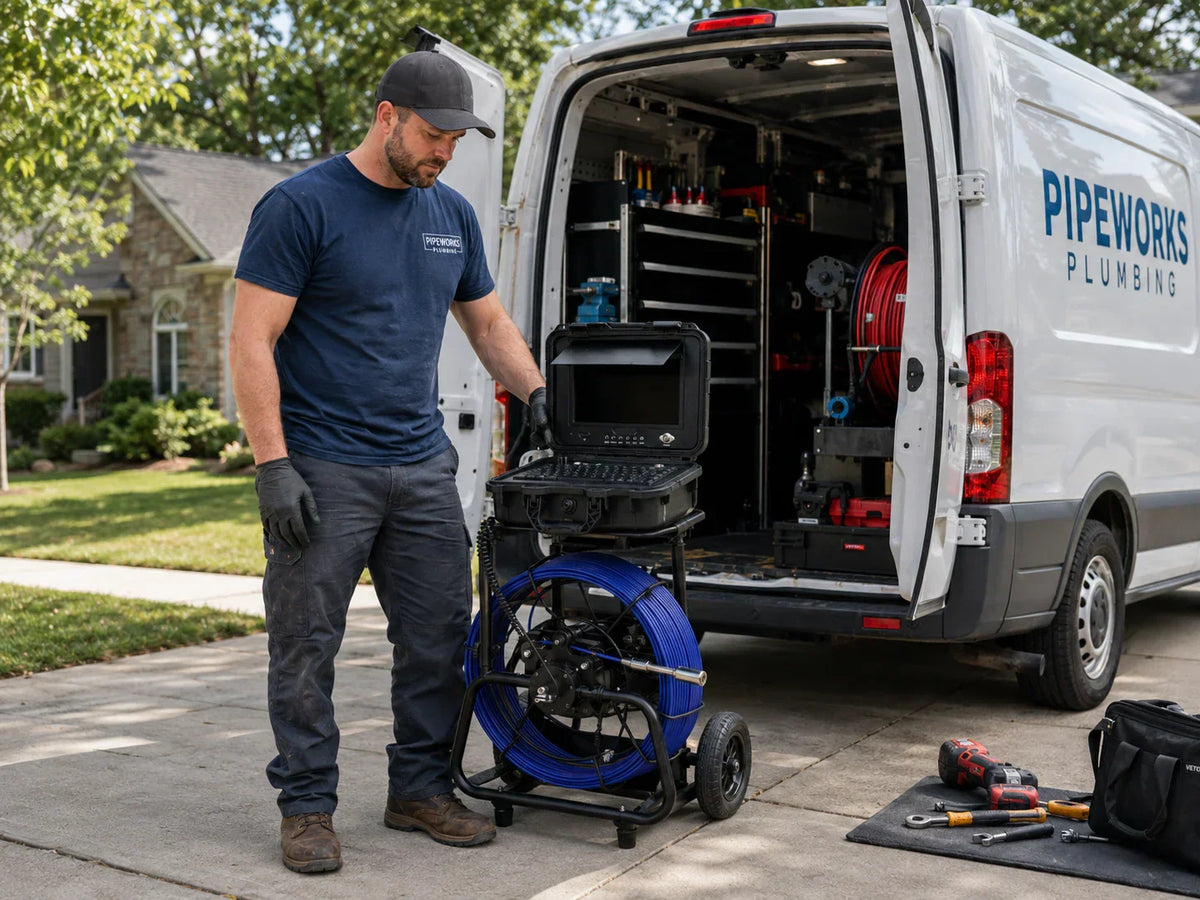
A plumber camera buying decision affects more than image quality. For professional plumbers, the right system needs to move efficiently from truck to jobsite, handle real pipe conditions, support clear diagnosis, and hold up under repeated use. This guide breaks down what pros should compare before buying a plumber camera, from core inspection fit and workflow to portability, documentation, and service support.
What Jobs Should Your Plumber Camera Handle?
Before comparing models, define the work your system needs to do most often. A plumber camera used for routine residential drain troubleshooting may not need the same setup as a system used for longer sewer runs, recurring service diagnostics, or inspection-heavy jobs.
Start with a few basic questions:
- What pipe sizes do you inspect most often?
- What run lengths are common on your jobs?
- Do you need recording for customers or internal documentation?
- Does portability matter more than maximum reach?
- Will multiple technicians need to learn the system quickly?
Once the intended use is clear, feature comparisons become more useful. A stronger buying decision usually starts with workflow fit, not with a spec sheet.
↑ Back to topWhat Core Features Matter Most to Professionals?
For pro buyers, a plumber camera should be judged on field usability first. Technical specs matter only when they improve real inspection work.
| Buying Area | What to Evaluate | Why It Matters |
|---|---|---|
| Image visibility | Monitor readability and practical viewing clarity on live jobs | Helps technicians identify common pipe issues with more confidence |
| Cable length | Whether the run length matches your typical inspections | A longer cable helps only if it stays manageable in the field |
| Pushability | How well the cable feeds through expected pipe conditions | Impacts speed and consistency during inspections |
| Portability | Weight, footprint, and setup effort between calls | Saves time when technicians move between multiple jobs |
| Recording workflow | How easy it is to capture and keep inspection footage | Useful when documentation is part of your customer process |
| Durability | How well the unit is suited to repeat transport and jobsite handling | Supports long-term reliability under professional use |
For most plumbing teams, the best choice is not the camera with the longest feature list. It is the system that supports faster, more reliable inspections on common jobs.
↑ Back to topHow Should You Balance Portability, Reach, and Workflow?
Every plumber camera purchase involves tradeoffs. Larger systems may support longer runs or more accessories, but they can also be heavier to transport and slower to set up. Compact systems are easier to handle, but they may be better suited to shorter or more routine inspection work.
When comparing options, think through the full workflow:
- How often will the unit move in and out of the truck?
- Will one technician usually operate it alone?
- Do you need quick setup for short diagnostic calls?
- Are you using it mainly for confirmation, or for full inspection documentation?
The goal is not to maximize every feature. The goal is to buy a system that fits the way your team actually works.
↑ Back to topWhat Ownership Questions Should You Ask Before Buying?
A plumber camera is not just a one-time equipment purchase. Professionals should also evaluate the operating side of ownership, especially if the tool will be used regularly.
Before buying, ask:
- How easy is the system to maintain between jobs?
- Can new technicians learn it quickly?
- Is service support available if something goes wrong?
- Are replacement parts or repairs clearly supported?
- Does the system fit the type of jobs that generate revenue for your team?
These questions matter because downtime affects real work. If a camera becomes difficult to service or unreliable in the field, the impact reaches scheduling, customer communication, and diagnostic consistency.
How Do You Make a Confident Final Decision?
The best plumber camera for a professional business is the one that fits your most common inspection work, your team’s workflow, and your expectations for reliability. In practice, that usually means choosing a system that is practical before it is flashy.
A strong final buying decision should reflect:
- The inspection jobs you perform most often
- The level of image clarity and documentation your workflow requires
- The balance between portability and reach
- The ease of training, transport, and repeat use
- The confidence that support will be available after purchase
If you evaluate those factors clearly, you are more likely to buy a system your team will actually use well instead of one that only looks strong on paper.
For plumbing professionals, a plumber camera should help shorten diagnosis time, improve communication on site, and support more consistent inspection work. Buying with that standard in mind leads to better long-term value than chasing isolated specs.
↑ Back to topFAQ: Plumber Camera Buying Questions
What is the most important thing to compare in a plumber camera?
The most important factor is fit with your real inspection workflow. Image visibility, cable handling, portability, recording, and durability all matter, but only in relation to the jobs your team performs most often.
Should professionals always choose the longest cable option?
No. More reach is useful only when it matches your common work. If a longer system slows transport, setup, or handling on everyday jobs, it may create more friction than value.
Why does recording workflow matter when buying a plumber camera?
If your team documents inspections for customers or internal records, easy recording and file handling can reduce post-job friction and make communication more consistent.
What ownership issue do pro buyers often underestimate?
Serviceability and support. A system that becomes difficult to repair, maintain, or train on can create downtime that affects scheduling and customer service, even if the original purchase price looked attractive.
Summary: The right plumber camera is the one that supports faster inspections, clearer diagnosis, and smoother day-to-day workflow for your team. Buy for the work you do most often, not for a feature list you may rarely use.
Comments
No comments