
Septic Tank Locator: How to Find Your Septic System Without Digging Up Your Yard
 Michael Carter
0 comments
Michael Carter
0 comments
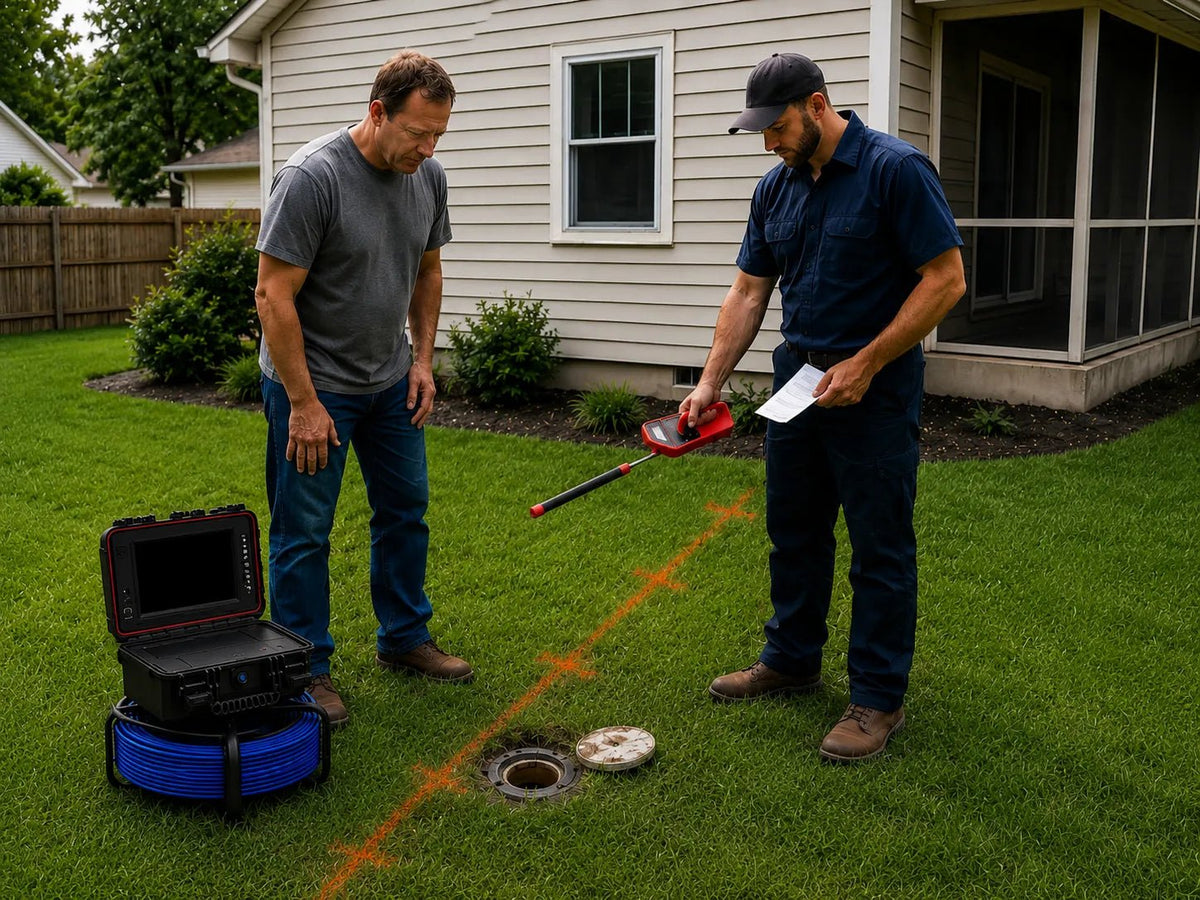
A septic tank locator tool can save time, but it should not be the first or only step when you are trying to find a septic system. The EPA's septic systems overview explains that a typical system sends wastewater from the house to a buried tank and then to a drainfield, and the EPA's septic FAQ says most household tanks should be inspected every 3 years and pumped every 3 to 5 years. That maintenance schedule alone is a good reason to know where the tank and access lids are before an emergency. The cheapest method is not random digging. It is combining property records, plumbing clues, yard signs, and, only when needed, careful locator-based tracing.

The safest septic search starts with clues and records, not random holes in the yard.
Start With the Paper Trail Before the Toolbox
The fastest septic tank locator is often a file drawer, not a gadget. Start with your closing packet, county health department permit records, septic inspection report, or as-built drawing if one exists. Many homeowners waste hours outside before they spend ten minutes calling the local office that approved the original system.
The EPA recommends knowing your system location because regular inspection and pumping are part of basic ownership, not just emergency work. If your property has ever changed hands with a septic disclosure or service invoice, those records may already tell you tank size, drainfield direction, and approximate lid placement.
If you inherited no paperwork, ask your septic pumper too. A company that has serviced the property before may remember whether the tank has one lid or two, whether risers were installed, and roughly how far the truck hose had to reach.
If you find a site sketch, do not assume it is perfect forever. Landscaping, additions, patios, and utility work can change the usable path to the lids. But a sketch gives you a starting line far better than "somewhere in the backyard."
Back to topFollow the House Plumbing Before You Follow the Yard
If the paperwork is missing, the next best clue is the plumbing exit point. Wastewater has to leave the house somewhere, and the buried septic tank is usually placed in line with or slightly offset from that building sewer path.
The EPA notes that the septic tank sits between the home and the drainfield, which means the main sewer pipe leaving the house gives you the most honest first direction. In many homes that exit is easiest to trace from the basement, crawlspace, or slab edge where the main drain line heads outdoors.
Once you know where the building sewer exits, step outside and look for the straightest practical route into the yard. Septic tanks are commonly placed a short distance from the house, not on the far edge of the property, because installers want a workable gravity run and future pumping access.
The Yard Clues That Often Give the Tank Away
Many septic systems leave visible or semi-visible clues if you look carefully enough. Watch for slightly raised ground, a different strip of grass growth, shallow depressions, inspection caps, or an area the previous owner avoided planting deeply.
The EPA's homeowner guidance on septic care focuses on protecting the drainfield from vehicles, deep-rooted plants, and excess water. Those same protection habits often leave patterns on the site, such as an open grassy area with no trees or heavy structures. In other words, the yard may tell you where the system is by what is missing from the landscape.
You should also look for recent pump-out lids, risers, or covered ports hidden under mulch. A tank that is pumped every 3 to 5 years usually leaves some service trace, even if it is subtle.
Be cautious with metal probes and shovels while searching. You are trying to confirm clues, not punch through a lid, liner, or buried utility. Gentle verification beats aggressive probing every time.
Back to topWhere a Locator Tool Can Help and Where It Cannot
A locator tool can be helpful when you have a likely plumbing path and an accessible cleanout or interior access point that lets a camera or transmitter trace the outbound line. In that case, you are not truly locating the tank from nothing. You are tracing the building sewer that should lead toward the tank.
That distinction matters because a locator tool does not see concrete, plastic, or fiberglass directly through the soil. It follows a signal. If there is no transmitter in the line, or if the line route is interrupted, the tool cannot replace records, judgment, or professional verification.
The 811 program still applies before digging because utility conflicts can exist even in a simple septic search. And just as OSHA warns about utility locators in general, a signal-based locator should be treated as guidance, not proof of exact depth or exact lid location.
Back to topWhen to Stop Searching and Call a Septic Pro
Homeowner searching makes sense when you are narrowing the area for routine maintenance, a future inspection, or a property map. It stops making sense when the tank location affects safety, heavy equipment access, property transfer deadlines, or excavation around unknown utilities.
A septic professional can often combine records, probing, camera access, and surface tracing much faster than a homeowner can. That is especially true on older lots, wooded properties, or homes that have had additions and grading changes over time.
If you do want a line-tracing workflow before you call for digging, a locator-ready sewer camera such as the Powerwill PW9D2 can help you follow the outbound sewer path from the house. That does not magically reveal the whole septic system, but it can shorten the search and make a service visit more targeted.
Back to topKey Takeaways
- The cheapest septic tank locator method is usually starting with permits, as-built drawings, and old service records before touching the yard.
- Following the building sewer as it exits the house is the most reliable physical clue when records are missing.
- Grass patterns, capped ports, service lids, and open drainfield zones often reveal more than homeowners expect once they know what to look for.
- Signal-based locator tools can help trace the outbound line, but they do not replace 811, verification, or professional judgment.
- If the search affects safety, deadlines, or excavation, a septic professional is usually the faster and cheaper answer than trial-and-error digging.
FAQ
Can I find my septic tank without digging random holes in the yard?
Yes. Start with property records, the plumbing exit point, and visible yard clues. Random digging should be the last resort, not the first step.
How often should I know where my septic tank lids are?
Continuously. The EPA says most septic tanks should be inspected every 3 years and pumped every 3 to 5 years, so lid access matters long before an emergency.
Will a septic tank locator tool find the exact tank by itself?
Not usually. Most locator workflows trace the building sewer path or a transmitter signal, which narrows the search area but does not replace verification.
Do I still need to call 811 if I am only looking for a septic tank lid?
Yes, if digging is planned. 811 is still the correct step before breaking ground because other buried utilities may cross the same area.
Can a Powerwill locator-ready camera help with a septic search?
It can help trace the outbound sewer path from the house when there is access to the line. That can shorten the search, but it does not replace septic records or a professional locating visit.
Conclusion
Finding a septic tank without tearing up the yard is mostly a process problem, not a gadget problem. The homeowners who save the most time are the ones who start with records, follow the plumbing path, and use tools only after the likely route is already narrowed.
If you need to trace the outbound line before scheduling septic service, a locator-ready sewer camera workflow can help you inspect first and search smarter without turning the yard into guesswork.
Back to top
Comments
No comments