
Pipe Materials Identification Guide: What's Actually Inside Your Walls and Ground
 Michael Carter
0 comments
Michael Carter
0 comments
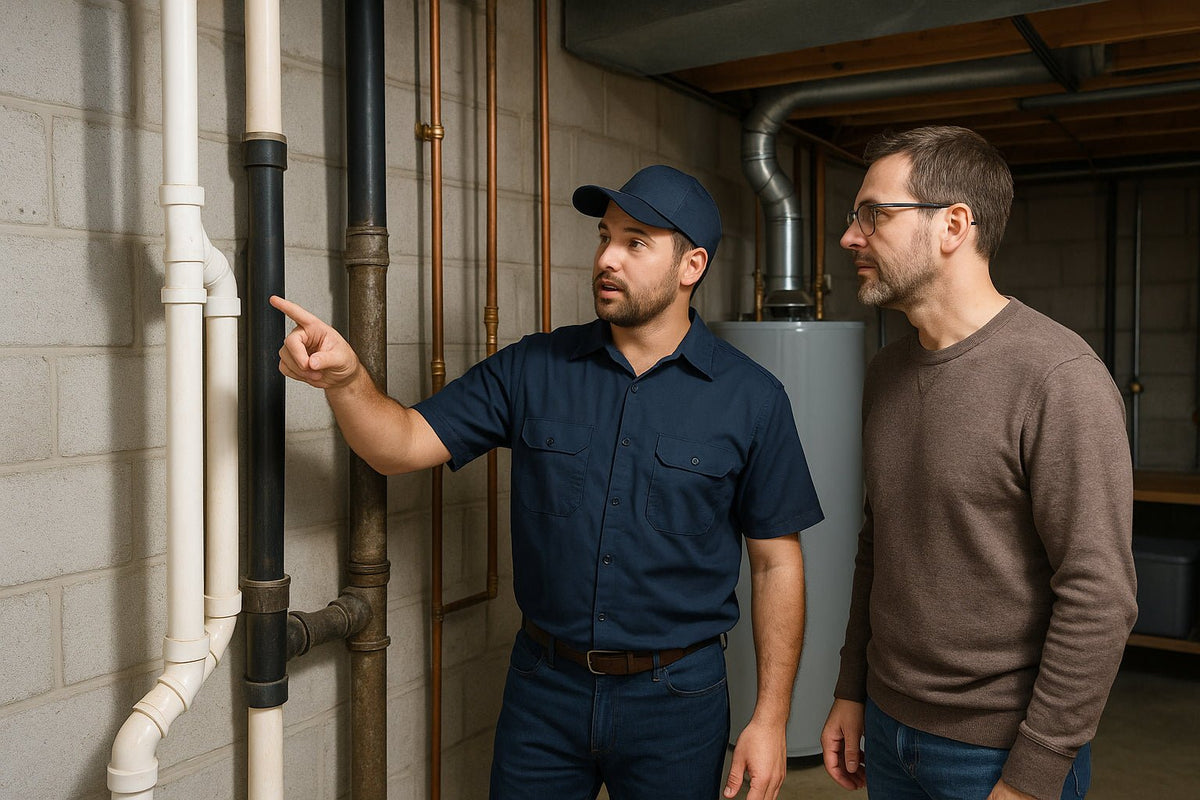
Pipe material identification matters because PVC, PEX, ABS, copper, cast iron, galvanized steel, and possible lead service lines all fail differently and call for different repair decisions. This Old House's current pipe guide says the most common categories in homes are PVC, PEX, ABS, copper, cast iron, and galvanized piping, while the EPA says older lead service lines were installed mainly from the late 1800s through the 1940s. Before you cut, replace, line, or camera-inspect a pipe, you need to know what material you are dealing with and where that material is likely to appear.

The Main Pipe Materials You Are Most Likely to Find
The first step is knowing the shortlist. According to This Old House, the common residential categories are PVC, PEX, ABS, copper, cast iron, and galvanized steel. In practical homeowner terms, PVC and ABS usually show up on drain, waste, and vent lines, while PEX and copper usually show up on water supply lines.
Older homes complicate that pattern. Cast iron and galvanized pipe are common in older drain or supply systems, and the EPA warns that some older properties can still have lead service line components near the incoming water service. That age-based clue matters because the pipe behind a 1925 wall is often a very different guess than the pipe in a 2018 remodel.
The goal is not memorizing pipe trivia. The goal is narrowing the likely material before you start cutting, snaking, or buying fittings that do not match the line in front of you.
Back to topHow to Identify PVC, ABS, and PEX Quickly
Plastic pipe is usually the easiest category to identify because color, flexibility, and printed markings do most of the work for you. This Old House's PVC identification guide says PVC is typically white or cream-colored, ABS is usually black, and printed markings often include the material type, size, and pressure rating.
PEX looks different because it is flexible. This Old House's PEX vs. copper comparison says PEX can bend around corners and usually needs fewer fittings, while copper remains rigid. That one visual clue solves a lot of homeowner confusion when they open a wall and find red, blue, or white tubing instead of metal.
If you are unsure, read the printed markings before doing anything else. That is usually more reliable than guessing from color alone, especially after repainting, dirt, or age has changed the appearance.
Back to topHow to Spot Copper, Cast Iron, Galvanized, and Possible Lead
Metal pipe requires more caution because age, corrosion, and paint can make very different materials look similar at first glance. Copper usually shows its familiar reddish-brown tone unless it has oxidized, and This Old House's copper guide describes it as a long-standing staple in residential plumbing because of its durability and versatility.
Galvanized steel is usually gray and metallic, but the bigger clue is age and corrosion risk. This Old House notes that galvanized pipes are durable but susceptible to corrosion and rust and can contribute to elevated lead levels over time. Cast iron drain lines are usually heavier, darker, and more solid-sounding when tapped than plastic lines.
Lead requires the highest caution. The EPA says lead service lines are dull, soft, non-magnetic, and turn shiny silver when scratched, while a magnet sticking to the pipe suggests iron rather than lead. That does not make scratch testing a DIY demolition project, but it is a useful clue when you are trying to identify the incoming service material before a major replacement decision.
Back to topWhy Material Identification Changes the Repair Plan
Pipe identification matters because different materials support very different next steps. You can usually cut, re-pitch, or replace PVC and ABS with common fittings. PEX often allows faster rerouting on supply lines because it bends around corners. Copper may still be the right choice near higher heat or exposed finish plumbing where rigid pipe is useful.
Lead and galvanized lines raise a different question altogether: should this line stay in service at all? The EPA says communities need accurate lead-line identification because the first step in replacement is knowing where those pipes actually are. That means material identification is not only about convenience. Sometimes it is about health and replacement priority.
How a Pipe Camera Helps When the Material Is Underground or Hidden
You cannot identify every pipe by standing in front of an exposed section. Once the line disappears under a slab, into a crawlspace, or out toward the yard, a camera becomes the honest next step. That is especially true when you need to know whether an older cast-iron or galvanized section is still sound before replacing only the visible fittings.
The Powerwill PW9D2 is useful here because it combines self-leveling video, IP68 waterproofing, 64-foot to 230-foot cable options, and a built-in distance counter. That does not tell you the pipe material by magic, but it does let you see wall texture, corrosion, offsets, scale, standing water, and repair transitions much more clearly than guesswork from above.
If you need longer reach and a locator workflow before excavation, the Powerwill 10DX1 pushes to 246 feet and adds 512 Hz locating. That makes it a better fit when the real question is not just "what is the pipe made of?" but also "where is the failing section under the yard?"
Back to topKey Takeaways
- Most homes rely on a short list of materials, and age plus pipe function usually narrows the likely answer quickly.
- PVC, ABS, and PEX are easier to identify because color, flexibility, and printed markings usually tell the story.
- Copper, cast iron, galvanized, and possible lead lines need more caution because corrosion and age can hide the obvious visual clues.
- Material identification changes the repair plan because each pipe category supports different cutting, replacement, and health-risk decisions.
- When the line is hidden or underground, a Powerwill camera helps you inspect the actual condition before you approve replacement or excavation.
FAQ
How can I tell if a pipe is PVC or ABS?
PVC is usually white or cream-colored, while ABS is usually black. Printed markings on the pipe are the most reliable confirmation if they are still visible.
How do I tell PEX from copper?
PEX is flexible tubing that bends around corners, while copper is rigid metal pipe. Color can help with PEX, but flexibility is usually the fastest clue.
How can I tell if an old service line might be lead?
The EPA says lead is dull, soft, non-magnetic, and turns shiny silver when scratched. If a magnet sticks, it is more likely iron than lead.
Why does pipe material matter before repair?
Because the right fittings, cutting methods, replacement priorities, and even health decisions depend on the material. A wrong guess can send the repair in the wrong direction immediately.
Can a sewer camera identify pipe material underground?
It can often help, especially when texture, corrosion, scale, and transition points are visible, but it is still part of a broader identification process. A tool like the Powerwill PW9D2 is best used to inspect and confirm before excavation.
Conclusion
Pipe material identification is one of the simplest ways to avoid an expensive plumbing mistake. Once you know what is in the wall, under the slab, or out in the yard, the right repair path becomes much easier to defend.
If the pipe disappears before you can confirm its condition, inspect deeper first with the Powerwill drain camera lineup so the replacement decision is based on evidence instead of assumptions.
Back to topSources
- This Old House - 5 types of plumbing pipes
- This Old House - How to identify PVC pipes and fittings
- This Old House - PEX vs copper pipes
- This Old House - All about copper pipe
- EPA - Approaches to identify lead service lines
- Powerwill PW9D2 sewer inspection camera
- Powerwill 10DX1 sewer inspection camera
Comments
No comments