
Comparing Traditional Inspection Methods vs. Sewer Cameras
 Michael Carter
0 comments
Michael Carter
0 comments
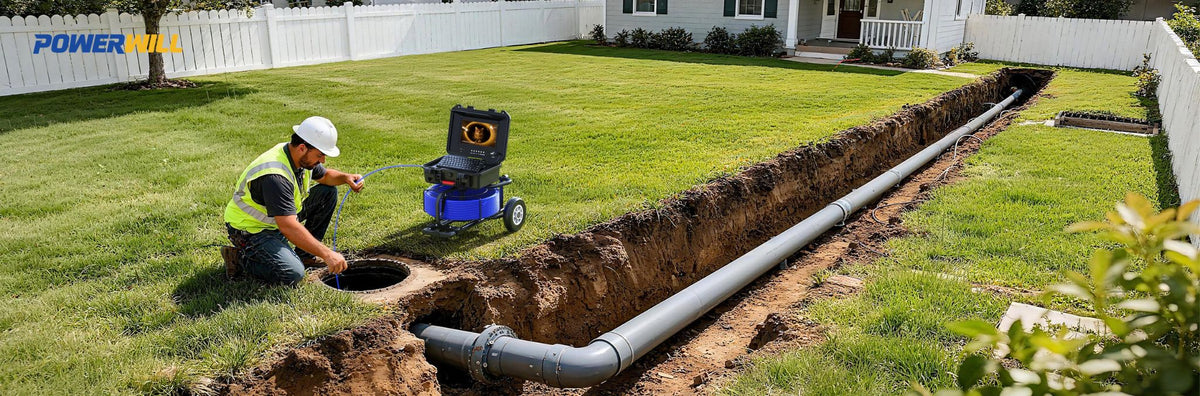
When a drain backs up or a sewer line starts acting up, the first question is simple: How do we find the problem? For decades, plumbers relied on traditional inspection methods—trial-and-error snaking, dye tests, or even excavation. Today, sewer camera inspections provide a faster, more accurate alternative.
This guide compares traditional sewer inspection methods and modern sewer camera inspections, breaking down how they work, their pros and cons, and which approach makes the most sense in different situations.
Table of Contents
-
What Are Traditional Inspection Methods?
Summary: A look at how plumbing issues were historically diagnosed using manual techniques like snaking, smoke tests, dye tests, and excavation.
-
How Sewer Camera Inspections Work
Summary: An overview of modern drain and sewer camera systems, including camera heads, LED lighting, DVR recording, and optional 512 Hz locating.
-
Accuracy & Diagnosis Comparison
Summary: Side-by-side comparison of how precisely each method identifies cracks, roots, offsets, and blockages.
-
Cost, Time, and Property Disruption
Summary: Comparing labor, excavation risk, property damage, and long-term cost efficiency.
-
When to Use Each Method
Summary: Practical guidance on choosing the right inspection approach based on symptoms and job type.
What Are Traditional Inspection Methods?
H2 Summary: Traditional plumbing inspections rely on physical testing, trial-and-error clearing, and sometimes excavation to diagnose issues without visual confirmation.
Before sewer cameras became common, plumbers had to rely on indirect methods to determine what was happening inside a pipe. These approaches are still used today—but often as secondary tools.
Common Traditional Methods
- Drain Snaking: Feeding a metal cable into the pipe to break up clogs. Effective for clearing, but not for diagnosing the root cause.
- Hydro Jetting: High-pressure water clears buildup but doesn’t visually confirm structural damage.
- Dye Testing: Colored dye tracks water flow to identify leaks or cross-connections.
- Smoke Testing: Used to detect leaks or vent issues by pushing smoke through the system.
- Excavation: Digging to inspect suspected damage—often done without certainty about the exact location.
Limitations of Traditional Methods
- No direct visual confirmation inside the pipe
- May require guesswork or repeated attempts
- Higher risk of unnecessary digging
- Can miss structural issues like offsets or hairline cracks
How Sewer Camera Inspections Work
H2 Summary: Sewer cameras use a waterproof, LED-equipped camera head attached to a push cable to provide real-time video footage of the inside of pipes.
A sewer camera inspection eliminates guesswork by allowing plumbers and homeowners to see exactly what’s inside the line.
Key Components of a Sewer Camera System
- Waterproof camera head with adjustable LED lighting
- Fiberglass push cable for navigating pipes
- Monitor with DVR recording for documentation
- Distance counter for locating issues
- Optional 512 Hz transmitter + locator to pinpoint underground position
How It Improves Inspection
- Insert the camera through a cleanout or drain entry point.
- Advance slowly while observing live footage.
- Capture still images or video evidence.
- Mark the exact problem location if repair is needed.
The result: precise diagnosis without demolition.
Accuracy & Diagnosis Comparison
H2 Summary: Sewer cameras provide visual confirmation and detailed documentation, while traditional methods rely on indirect clues and physical feedback.
Traditional Inspection
- Identifies clogs through resistance
- May miss structural defects
- No visual proof for clients
Sewer Camera Inspection
- Visually confirms cracks, roots, offsets, corrosion
- Records evidence for reports or buyers
- Identifies both blockage and underlying cause
In terms of diagnostic precision, sewer cameras clearly outperform traditional techniques.
Cost, Time, and Property Disruption
H2 Summary: Although sewer camera inspections involve equipment investment, they often reduce total repair costs by minimizing unnecessary labor and excavation.
Traditional Approach Costs
- Potential repeat service visits
- Trial-and-error clearing attempts
- Higher excavation risk
- Possible property damage
Camera Inspection Benefits
- Faster identification of root cause
- Reduced digging and surface disruption
- Better repair targeting
- Professional documentation
In many cases, the camera inspection pays for itself by preventing one unnecessary excavation.
When to Use Each Method
H2 Summary: Traditional methods are useful for simple clogs, while sewer cameras are ideal for recurring, structural, or property-sensitive issues.
Traditional Methods Work Best When:
- The clog is simple and localized
- No history of recurring issues
- The line is relatively new
Sewer Camera Inspections Are Best When:
- Clogs keep returning
- Buying or selling a property
- Structural damage is suspected
- Planning trenchless repair
- You need proof for insurance or documentation
Many professionals now combine both approaches—using the camera to diagnose first, then applying the appropriate clearing or repair method.
Conclusion
Traditional inspection methods helped plumbers for generations—but they rely heavily on experience and assumption. Modern sewer cameras provide direct visual confirmation, improve accuracy, reduce disruption, and enhance customer confidence.
If your goal is efficient diagnosis, minimal damage, and long-term reliability, a sewer camera inspection is the smarter first step.
Comments
No comments