
Can a Sewer Camera Detect Blockages?
 Michael Carter
0 comments
Michael Carter
0 comments
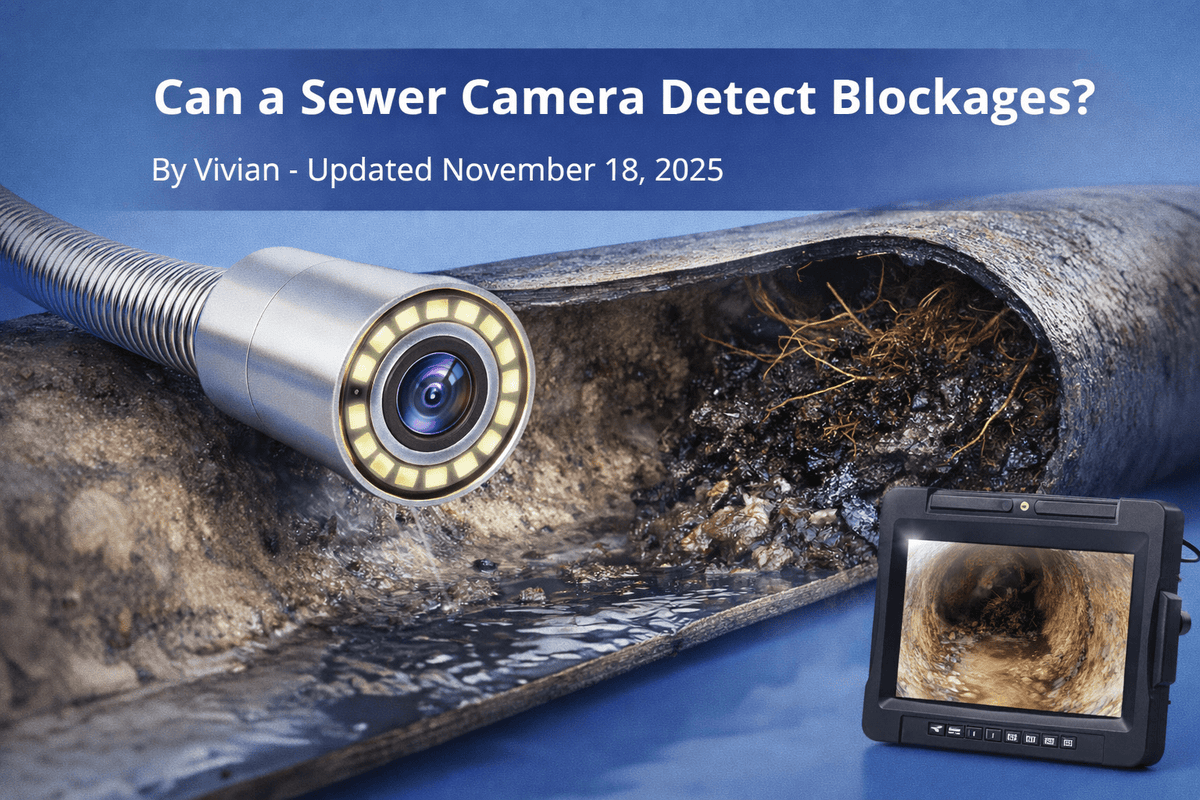
Table of Contents:
- What is Sewer Camera Inspection?
- How Does a Plumbing Camera Work?
- What Types of Blockages Can Sewer Cameras Detect?
- What Are the Benefits of Using Sewer Cameras?
- When is Sewer Camera Inspection Recommended?
- Are There Situations Where Cameras Cannot Detect Issues?
- Is Camera Inspection Worth It?
- Final Thoughts
What is Sewer Camera Inspection?
A sewer camera inspection involves using a specialized high-definition camera mounted on a retractable, flexible cable to inspect the interior of pipes. This camera can travel deep into drainage pipes, main conduits, elbows, underground pipelines, and more, providing real-time video footage of the internal conditions directly to a monitor.
During an inspection, you can observe:
- The precise location of blockages
- The type of obstruction (e.g., grease, roots, debris)
- Water pooling inside pipes
- Cracks, collapses, or misalignments in the pipes
- Root intrusion in older pipes
- Deterioration or deformation of pipe walls
In short, a sewer camera brings the inside of the pipe into clear view, allowing technicians to locate and diagnose issues with accuracy.

How Does a Plumbing Camera Work?
Sewer camera inspections use a small, HD camera attached to a flexible cable, which is inserted into the pipe. The camera is equipped with built-in LED lights and a waterproof casing. Some models are capable of panning and tilting for a better view.
Additionally, the camera contains a small transmitter, called a sonde, that indicates the depth and precise location of the camera within the pipe.
As the camera travels through the pipe, it transmits live HD video and distance readings to a monitor, allowing you to see exactly what’s happening inside. This helps identify the problem area and determine the best course of action. If the pipe is too blocked or narrow for the camera to pass through, you can first clear the blockage or reposition the camera for a clearer inspection.
Here’s the general process:
- Open the drain outlet
- Insert the camera into the pipe
- View real-time footage of the interior
- Record the location, depth, and type of blockage
- Develop a cleaning strategy based on findings
- Verify results post-cleaning using the camera
This process typically takes between 20 and 40 minutes.

What Types of Blockages Can Sewer Cameras Detect?
Sewer cameras can detect a wide range of blockages, including those that are invisible to the naked eye. Here are some common blockages that cameras can identify:
- Grease or Food Residue Buildup: Cameras can clearly reveal grease accumulation and thickness, particularly common in kitchen pipes.
- Foreign Objects: Items like small toys, bottle caps, and wet wipes, which are hard to detect manually, can be easily pinpointed by a camera.
- Water Pooling Due to Pipe Tilt or Misalignment: Sometimes, blockages occur due to structural issues such as pipe tilts. Cameras can detect these abnormalities caused by stagnant water or backflow.
- Root Intrusion: Tree roots can infiltrate old pipes and grow over time, causing blockages. Sewer cameras can pinpoint the exact location and density of root intrusions.
- Pipe Damage or Collapse: Without visual inspection, blind attempts to clear these issues could worsen the problem. Cameras can help assess the severity of cracks or collapses.
- Deep Blockages in Septic Tanks or Main Lines: These areas, which are hard to reach manually, can be thoroughly examined by a camera to locate obstructions or issues.
In summary, any blockage that can be visually identified inside the pipe can be detected by a sewer camera.
What Are the Benefits of Using Sewer Cameras?
Sewer camera inspections offer a range of advantages:
- Eliminates Guesswork: Traditional methods of clearing blockages often involve trial and error. Sewer cameras allow technicians to pinpoint the exact cause of the issue, ensuring targeted repairs.
-
Pinpoints Blockage Location: Knowing exactly where the blockage is allows for precise repair strategies. For instance:
- Blockage in an elbow joint? Use a drain snake.
- Blockage in the main line? High-pressure jetting may be necessary.
- Damaged pipe? Localized repairs can be performed.
- Prevents Over-Engineering: Sewer cameras eliminate the need for unnecessary digging or wall demolition. If cleaning the pipe internally solves the issue, no further construction work is required.
- Pre-Purchase or Renovation Health Checks: For older homes, sewer cameras can help identify hidden issues before purchasing the property or starting renovations, preventing potential future drainage problems.
- Post-Repair Verification: After pipe cleaning or repairs, a camera inspection ensures that the pipes have been fully restored and are free from any remaining issues.
When is Sewer Camera Inspection Recommended?
While not every clog requires a camera inspection, the following scenarios strongly warrant it:
- Recurring clogs that do not resolve with basic drain cleaners or plungers
- Slow drainage across multiple outlets
- Bubbling sounds from the toilet
- Unpleasant sewer odors
- Unknown causes of the blockage
- Aging pipes in older homes
- Assessing the condition of pipes before major renovations
- Concerns about tree roots affecting the pipes
When clogs persist or reappear, using a sewer camera can be more effective than relying on traditional methods.
Are There Situations Where Cameras Cannot Detect Issues?
While sewer cameras are incredibly effective, there are some limitations:
- Completely Blocked Pipes: If the pipe is entirely blocked by solid objects or large obstructions, the camera won’t be able to pass through. In this case, partial clearing may be necessary to create a path for the camera.
- Hardened Materials in the Pipe: If substances like cement or grout harden inside the pipe, they form a complete blockage. Cameras cannot detect these types of blockages and require alternative solutions to address them.
These situations are rare, but when they do occur, the obstruction must be resolved before a camera inspection can proceed.
Is Camera Inspection Worth It?
Yes, sewer camera inspection is well worth the investment. While the initial cost may seem high, it can save you money in the long run by ensuring accurate repairs and preventing costly mistakes. The benefits include:
- Ensuring repairs are done correctly the first time
- Avoiding unnecessary and ineffective clearing attempts
- Reducing the need for rework
- Preventing large-scale plumbing disasters
- Minimizing demolition and reconstruction
For both residential and commercial properties, the cost of sewer camera inspections is typically very reasonable. Additionally, owning your own sewer camera can further reduce long-term expenses.
Final Thoughts
In conclusion, sewer cameras are invaluable tools for detecting and diagnosing pipeline blockages. Not only can they identify the problem, but they also pinpoint the blockage's type, location, and severity. If you're looking to quickly resolve issues, avoid recurring blockages, reduce repair costs, or verify the condition of pipes before purchasing or renovating a property, a sewer camera inspection is one of the most efficient solutions available.
Comments
No comments