
Pre-Purchase Sewer Inspection: What Every Homebuyer Must Ask (And Why)
 Michael Carter
0 comments
Michael Carter
0 comments
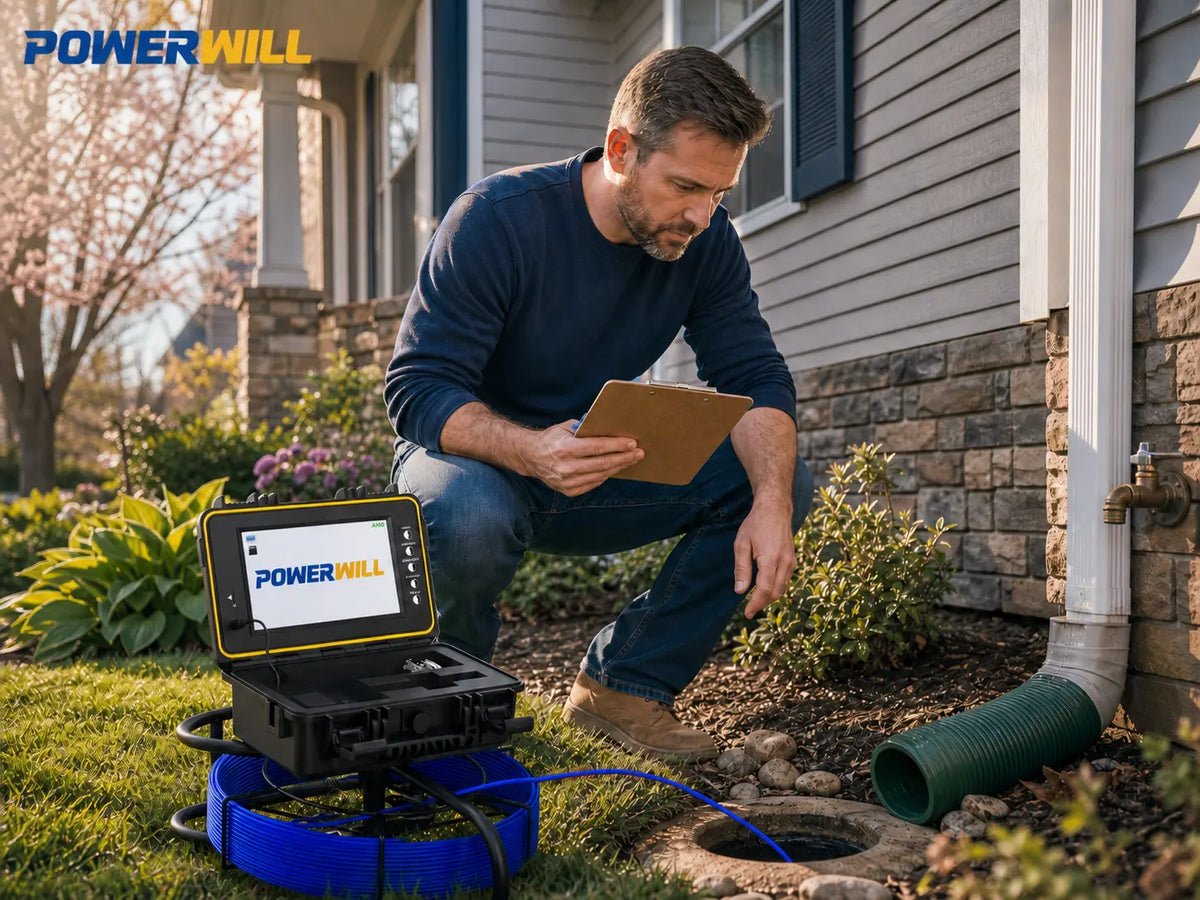
A pre-purchase sewer inspection is a targeted camera scope of the private lateral line before you close on a home. Angi's 2026 sewer camera inspection guide says a sewer scope often adds about $100 to $250 to a home inspection, while This Old House's March 30, 2026 sewer line replacement guide says the average replacement cost is about $3,320 and often lands between $1,390 and $5,320. That is why the right buyer questions matter: you are not buying a video, you are buying leverage before a buried defect becomes your problem.

What a Pre-Purchase Sewer Inspection Actually Covers
A pre-purchase sewer inspection is a homebuyer version of a sewer scope. InterNACHI's Sewer Scope Standards of Practice defines it as a video inspection of the lateral sewer line from the house at or near the foundation to the municipality's or HOA's tap or septic tank, performed to discover and report visible material defects.
The key phrase is visible material defects. A sewer scope is not a promise that the line will never fail. It is a same-day visual record of what the inspector could actually observe. That distinction matters in real estate because a standard home inspection usually does not include this camera work by default.
For buyers, the practical question is simple: does the home have a private buried line that could generate a large post-closing bill? A scope is the fastest way to answer that before you commit to the property.
Back to topQuestions Every Homebuyer Should Ask Before the Scope Starts
The best pre-purchase sewer inspection starts before the camera enters the pipe. If you do not ask the right questions up front, you can end up with a vague video that is hard to use in negotiations.
- Where will the scope start, and is the cleanout accessible? InterNACHI says inspectors are not required to pull toilets, enter unsafe spaces, or move obstacles. If access is limited, the report may cover less of the line than you expected.
- Will I receive the full video and a written summary? You want both. A written summary helps negotiations, and the video is what a second contractor will review later.
- Did the camera reach the city tap or septic connection? A report is much stronger when it clearly states the inspection endpoint instead of only showing the first trouble spot.
- How are defects being measured and described? Ask for footage markers, whether a locator was used, and whether the report notes severity rather than only saying “issue found.”
- What was not inspected? InterNACHI requires the inspector to indicate portions that were not inspected and the reason. That note can materially change how much confidence you should place in the result.
- What next step would make the result actionable? Sometimes that is a credit request, sometimes a cleaning plus re-scope, and sometimes a specialist bid.
Which Findings Should Change the Deal Conversation
Not every defect should kill a transaction, but several findings should immediately change the tone of the conversation. InterNACHI's standards say inspectors should report visible cracks, root intrusion, offsets greater than one-quarter inch, standing water over one inch, blockages, crushed pipe, broken pipe, separated pipe, excessive rust or scale, excessive grease, deteriorated concrete, egg-shaped line, and collapsed sections as defects in need of correction.
| Finding | What it usually means | Why buyers should care |
|---|---|---|
| Root intrusion | Roots are entering through a joint, crack, or failed connection. | Cleaning may help short term, but the entry point often remains a repeat-risk item. |
| Standing water over 1 inch | The line may have a belly, partial blockage, or slope problem. | Solids can hang up there, which creates recurring backups and recurring service calls. |
| Offset over 1/4 inch | Two pipe segments no longer align properly. | Offsets can trap paper and waste, especially in older clay or cast-iron laterals. |
| Separated or broken line | The pipe has a structural failure, not only a maintenance issue. | This usually moves the conversation from cleaning to repair budgeting. |
| Collapse or crush | The line is no longer functionally open through that section. | That is usually the highest-risk scenario and often justifies urgent specialist bids before closing. |
That context matters because the cost gap between “maintenance” and “repair” is large. HomeGuide's December 22, 2025 sewer line repair guide says sewer line repairs often run about $150 to $3,800, while average full replacement totals are commonly $2,000 to $10,000. Angi's March 17, 2026 replacement guide says homeowners should also budget for inspection fees and yard restoration. That is why buyers should treat a scope result as a budgeting document, not just a plumbing curiosity.
Back to topHow to Use the Scope in Negotiation
A sewer scope becomes valuable when the result is specific enough to support a decision. The buyer who only says “the sewer looked bad” has weak leverage. The buyer who says “the line shows root intrusion at about 43 feet and standing water near the street side connection” has a much stronger basis for asking for a credit, a repair, or a licensed second opinion.
In practice, there are four common negotiation paths. First, ask the seller for a repair credit and keep control of the contractor choice after closing. Second, ask for cleaning and a re-scope if the first camera run stopped at a blockage. Third, request a specialist estimate when the report suggests a structural defect. Fourth, if the report is incomplete, ask for additional inspection before you waive contingencies.
Do not let anyone skip the documentation step. Ask for the video file, the written summary, and the footage location of each major defect. If a contractor later recommends excavation, that record gives you something concrete to compare against.
Back to topWhere Powerwill Fits After Closing
For most buyers, hiring a pro for the one-time pre-purchase scope is still the cleanest move. But after closing, the economics can change. If you buy an older home, manage rentals, or want to verify a cleaning or repair later, ownership starts to make more sense than paying for repeated diagnostics.
The current Powerwill PW9D1 product page lists the camera at $595.80 and highlights a 9-inch IPS monitor, IP68 self-leveling camera head, 100-foot 5 mm fiberglass cable with meter marking, built-in DVR, and included 32 GB card. That is homeowner-friendly inspection capability, not municipal gear. If you want to understand what repeated follow-up inspections look like, Powerwill's existing DIY sewer camera inspection guide is the right next read.
Back to topKey Takeaways
- A pre-purchase sewer inspection is a decision tool, not a formality. It gives buyers a visual record of the private lateral before the repair risk transfers at closing.
- The best questions are about access, coverage, and documentation. If you do not know where the camera started, where it stopped, and what was not inspected, the result is less useful.
- Several findings should immediately change the negotiation. Root intrusion, standing water over one inch, offsets over one-quarter inch, separated sections, and collapse all justify sharper follow-up questions.
- Specific footage markers create better leverage than vague warnings. A location-based report supports credits, repair bids, and second opinions far better than a generic “possible sewer issue” note.
- Powerwill is most relevant after the purchase, not instead of the scope. If the home will need repeat verification, a homeowner-friendly camera can make sense once the property is yours.
FAQ
Is a pre-purchase sewer inspection different from a regular home inspection?
Yes. A standard home inspection usually does not include a camera scope of the buried lateral line. A pre-purchase sewer inspection is a separate video inspection focused specifically on that underground pipe.
Who usually pays for the sewer scope when buying a house?
In many deals, the buyer pays for the inspection up front because it supports due diligence. The important point is that the result can still be used to request credits, repairs, or additional specialist review.
What if the camera cannot reach the city tap?
That limitation should be stated in the report. If the line was blocked, inaccessible, or only partially inspected, ask whether cleaning and a re-scope would produce a more complete result before you waive contingencies.
Should a root intrusion finding automatically kill the deal?
No. Root intrusion is serious, but the decision depends on severity, location, and whether the line is otherwise structurally sound. What it should do is move the conversation from guesswork to documented repair planning.
Should I buy a sewer camera before I buy the house?
Usually not for a one-time transaction. Hire the scope first. Ownership becomes more logical after closing if you expect repeated inspections, want to verify repair work, or manage multiple properties. That is where a system like the Powerwill PW9D1 can become useful.
Conclusion
A pre-purchase sewer inspection is one of the cheapest ways to reduce one of the least visible homebuying risks. The core move is simple: ask better questions, get the video, and do not confuse a vague warning with a real diagnosis.
If you want homeowner-friendly inspection capability after the purchase, Powerwill's residential lineup is built for that inspect-before-repair workflow. See Powerwill Sewer Cameras.
Back to topSources
- InterNACHI Sewer Scope Standards of Practice
- InterNACHI Sewer Scope Inspections for Home Inspectors
- Angi Sewer Camera Inspection Cost (2026)
- Angi Sewer Line Replacement Cost (2026)
- This Old House Sewer Line Replacement Cost (2026)
- HomeGuide Sewer Line Repair Cost
- Powerwill PW9D1 Sewer Inspection Camera
Comments
No comments