
How to Fix and Troubleshoot Problems with Sewer Camera Lens LED Lights
 Michael Carter
0 comments
Michael Carter
0 comments
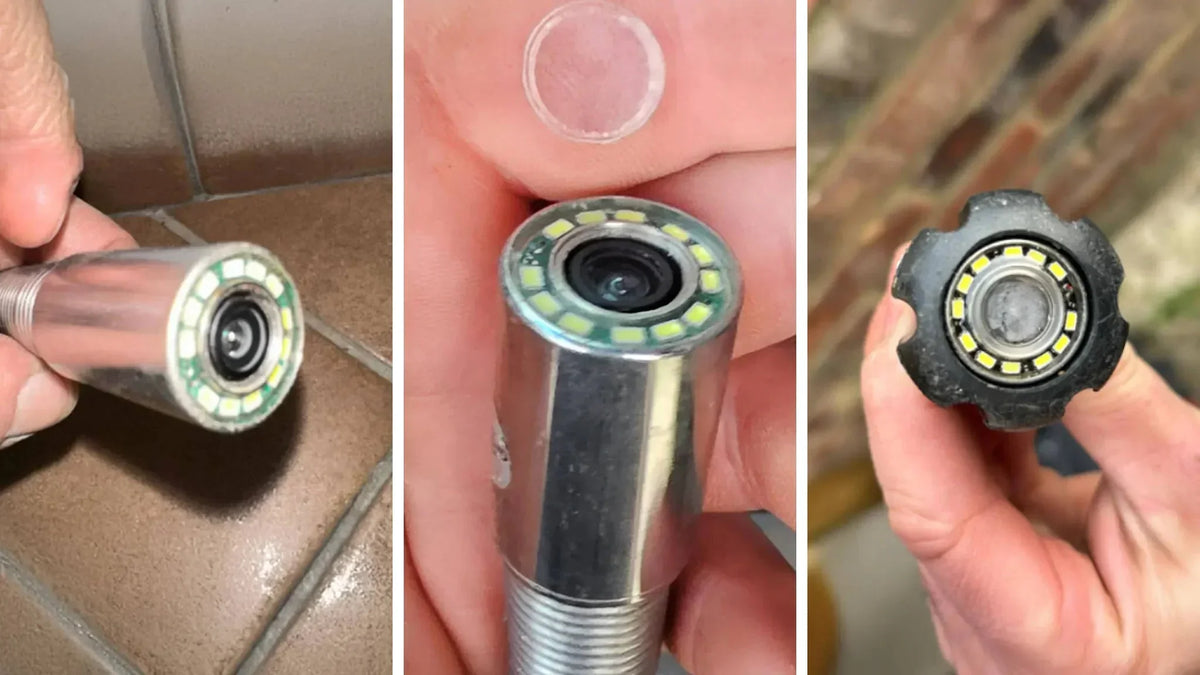
Table of Contents:
- What is Sewer Camera Inspection?
- How Does a Plumbing Camera Work?
- Common Reasons Why LED Lights Don't Work in Sewer Camera Head Lenses
- Final Thoughts
What is Sewer Camera Inspection?
A sewer camera inspection involves using a specialized high-definition camera mounted on a retractable, flexible cable to inspect the interior of pipes. This camera can travel deep into drainage pipes, main conduits, elbows, underground pipelines, and more, providing real-time video footage of the internal conditions directly to a monitor.
During an inspection, you can observe:
- The precise location of blockages
- The type of obstruction (e.g., grease, roots, debris)
- Water pooling inside pipes
- Cracks, collapses, or misalignments in the pipes
- Root intrusion in older pipes
- Deterioration or deformation of pipe walls
In short, a sewer camera brings the inside of the pipe into clear view, allowing technicians to locate and diagnose issues with accuracy.

How Does a Plumbing Camera Work?
Sewer camera inspections use a small, HD camera attached to a flexible cable, which is inserted into the pipe. The camera is equipped with built-in LED lights and a waterproof casing. Some models are capable of panning and tilting for a better view.
Additionally, the camera contains a small transmitter, called a sonde, that indicates the depth and precise location of the camera within the pipe.
As the camera travels through the pipe, it transmits live HD video and distance readings to a monitor, allowing you to see exactly what’s happening inside. This helps identify the problem area and determine the best course of action. If the pipe is too blocked or narrow for the camera to pass through, you can first clear the blockage or reposition the camera for a clearer inspection.
Here’s the general process:
- Open the drain outlet
- Insert the camera into the pipe
- View real-time footage of the interior
- Record the location, depth, and type of blockage
- Develop a cleaning strategy based on findings
- Verify results post-cleaning using the camera
This process typically takes between 20 and 40 minutes.
Common Reasons Why LED Lights Don't Work in Sewer Camera Head Lenses
The LED light system on the sewer camera head is an essential part of the inspection process. If the LED lights are not functioning, the camera will not be able to provide useful video footage, even if the rest of the camera is working properly.
1. Plumbing Camera Head Malfunction or Physical Damage
The camera head, which holds the LED lights, can get damaged when it is put into sewer pipes that are rough or narrow. If the camera head becomes crushed, damaged, or submerged for a long time without proper waterproofing, it could cause the LED circuit board to fail, the wires to disconnect, or short circuits.
Diagnosis:
Look for fractures, dents, or water damage on the camera head. If the lens is foggy or there are rust stains around the LED array, it could be because of moisture within the head of the sewer camera.
Solution:
If the camera head is very damaged, especially if the watertight seal is destroyed, it is better to replace the whole camera head module.
2. Broken Meter Counter on Sewer Camera
The sewer camera meter counter, which keeps track of how long the wire is, might sometimes hold control circuits that change how the LED works. The meter counter in more modern sewer camera systems works with the control system, which includes sending power to the camera head parts. Damage here can stop the LEDs from getting power or data.
Diagnosis:
Check the meter display for readings that are wrong or not steady. A broken meter counter could not only stop the LED from getting power, but it could also lower the quality of the camera head feed. Look for any breaks or burns in the wiring between the meter counter and the control unit.
Solution:
Change the meter counter.
3. Problems with the Sewer Camera Coil
The sewer camera coil (also called the push rod or cable) has two jobs: it guides the camera head down the pipeline and carries power and signals. If there is a break or wear on the wires inside the coil, the electricity to the LEDs may not work. These internal wires might get worse if you bend, pull, or expose them to water too often.
Diagnosis:
Look for noticeable signs of wear or kinks on the outside of the coil, especially at places where it bends a lot. If you don't see any evident damage or a kink, use a voltmeter to see if the voltage inside the coil is normal. This means that there is a problem with the internal circuit if there is no continuity.
Solution:
You can resolder the coil circuit board or replace the whole coil if the coil is bent. If the voltage inside the coil is too high, you should replace it with a pure coil.
4. The LED light on the sewer camera doesn't work
Diagnosis:
- Battery completely drained
- Incorrect battery installation
- Damaged battery or charger
- Faulty power button
- Internal circuit issues
Solution:
- Ensure the battery is fully charged. Use the original charger and charge for at least 2 hours. This helps rule out the issue of the battery being completely drained and ensures the battery has sufficient power to support the device startup.
- Remove and reinsert the battery; clean contacts. For devices with replaceable batteries, improper installation or contaminated contacts may cause poor power connection. Reinstalling the battery and cleaning the contacts with a dry cloth can effectively improve the contact condition.
- Try a known-good spare battery. This step can help verify whether the problem lies in the original battery itself. If the device starts normally with the spare battery, the original battery may be damaged and needs to be replaced.
- If using a battery grip, ensure all batteries are properly installed. Battery grips that hold multiple batteries require each battery to be installed in the correct position and direction to ensure stable power output to the device.
- If it still won’t power on, contact the PowerWill Customer Service Center. If the above troubleshooting steps do not resolve the issue, the device may have more complex faults (such as internal circuit problems), and professional technical support and maintenance are required.
Final Thoughts
If the LED lights on your sewage camera don't function, it doesn't have to be the end of the line. You may use it once more as normal by just changing the parts. To diagnose correctly, you need to start with the camera head, meter counter, or sewer coil, and the LED Light toggle on the sewer inspection camera. Please contact us right away for extra help with Powerwill warranty. This will save you time and money.
Comments
No comments